
NewsDetails
Why Fuel Filter Quality Matters for Engine Protection
author:Chengrui time:2026-01-27 11:53:58 Click:175
Why Fuel Filter Quality Matters for Engine Protection
Fuel cleanliness is one of the most critical factors in modern engine performance. Understanding fuel filter importance helps equipment owners, engineers, and buyers protect engines from premature wear, unstable operation, and costly failures.
A fuel filter removes dust, metal particles, water, and other contaminants before fuel reaches pumps and injectors. Without effective filtration, even small impurities can damage precision components operating under high pressure.
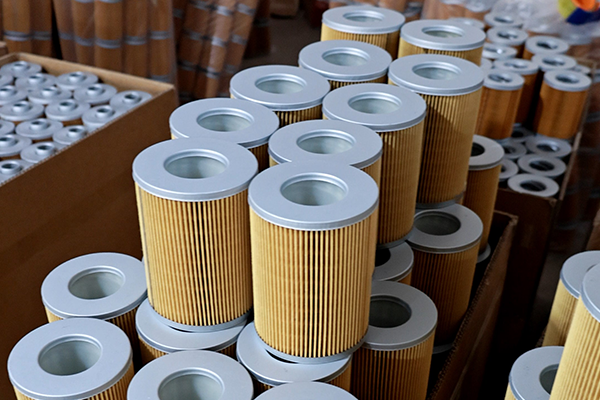
From a professional fuel filter manufacturer perspective, filtration quality is not just a design choice—it is a production-controlled factory process that guarantees consistency, durability, and large-scale bulk supply for automotive and industrial applications worldwide.
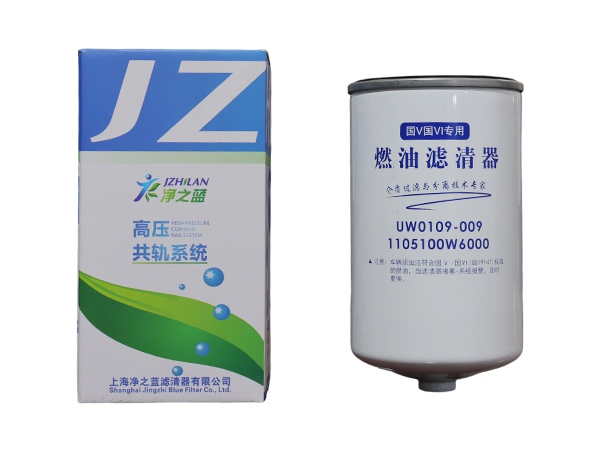
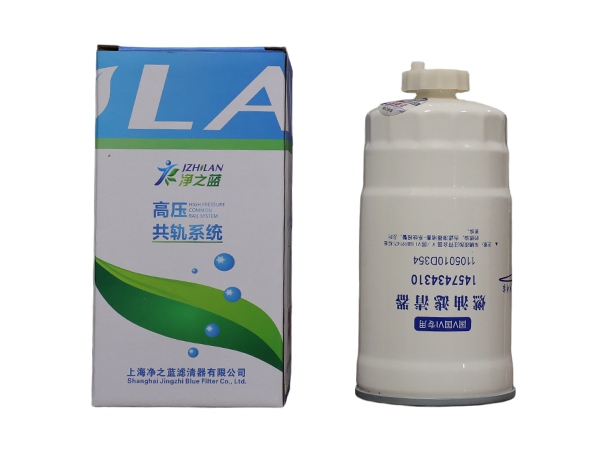
Fuel Filter Importance in Modern Engine Systems
Modern engines rely on extremely precise fuel delivery. Injectors, pumps, and combustion chambers operate with tight tolerances. Any contamination can disturb spray patterns, reduce combustion efficiency, and accelerate component wear.
The core reasons behind fuel filter importance include:
·Preventing injector blockage
·Protecting high-pressure pumps
·Maintaining stable fuel flow
·Reducing engine wear
·Supporting emission control systems
In high-pressure common-rail engines, microscopic particles can score injector needles and pump surfaces. Factory-level fuel filter production focuses on balancing filtration accuracy with flow stability to ensure protection without restricting fuel supply.
How Poor Fuel Filtration Damages Engines
When fuel filters fail or are poorly designed, contaminants move directly into sensitive components. This leads to several performance issues:
·Injector wear: Dirt disrupts atomization, causing incomplete combustion.
·Pump damage: Abrasive particles erode internal surfaces.
·Power loss: Restricted flow limits fuel delivery.
·Increased emissions: Poor spray patterns raise fuel consumption and exhaust output.
·Unexpected downtime: System failures interrupt operations.
Fuel filter importance becomes obvious when maintenance costs rise due to contaminated fuel. Manufacturer-controlled production ensures every filter undergoes testing for flow resistance, sealing, and dirt-holding capacity before bulk supply distribution.
Filtration Media and Structural Quality
The heart of a fuel filter is its filtration media. Different materials provide different levels of efficiency and durability. Common media types include:
·Cellulose fiber
·Synthetic polymer fiber
·Glass fiber composite
·Multilayer hybrid structures
High-quality fuel filters use pleated designs to maximize surface area while maintaining smooth flow.
Structural elements such as steel or aluminum housings, sealing gaskets, and corrosion-resistant coatings also affect fuel filter importance. Factory production focuses on precision bonding, vibration resistance, and dimensional consistency to ensure long service life in harsh environments.
Water Separation and Diesel Engine Protection
Diesel fuel often contains moisture, which can cause corrosion, microbial growth, and injection system damage. Water also reduces lubricity and leads to rust formation inside pumps and rails.
Modern diesel fuel filters integrate water separation technology using hydrophobic media and gravity-based separation chambers. These designs remove water before it reaches sensitive components.
From a production standpoint, factory inspection tests separation efficiency and pressure tolerance. This ensures that bulk-supplied filters protect engines operating in marine, mining, construction, and generator applications. Water control highlights another layer of fuel filter importance in real-world operations.
Fuel Filter Importance for Performance and Efficiency
Engine performance depends on stable and clean fuel delivery. When filtration is efficient:
·Combustion becomes more complete.
·Injectors maintain accurate spray patterns.
·Pumps operate with lower friction.
·Fuel consumption improves.
·Emissions remain controlled.
Poor filtration causes uneven combustion and power loss. Manufacturer production systems focus on optimizing flow channels and media geometry to keep pressure drop minimal while trapping contaminants effectively.
Fuel filter importance is directly tied to operational efficiency, especially for fleets and industrial equipment running long hours.
Service Life, Maintenance, and Reliability
A well-designed fuel filter extends engine service life by reducing internal wear. Regular replacement maintains filtration performance and prevents clogging.
Best maintenance practices include:
·Replacing filters at recommended intervals
·Installing with correct flow direction
·Preventing contamination during handling
·Monitoring pressure drop across the filter
Factory-level packaging and quality control ensure filters reach users ready for immediate installation. Reliable production processes also guarantee consistency across large-scale bulk supply orders for long-term projects.
Applications Across Automotive and Industrial Fields
Fuel filter importance applies across many sectors:
·Passenger and commercial vehicles
·Construction machinery
·Agricultural equipment
·Marine engines
·Power generation systems
·Industrial fuel circuits
Each industry has different fuel quality challenges. Professional manufacturers adjust factory production parameters to deliver customized filtration performance while maintaining scalable bulk supply capability for global markets.
Choosing a Reliable Fuel Filter Manufacturer
Selecting a partner involves more than choosing a product. Important factors include:
Stable factory production capacity
Strict quality inspection systems
Material traceability
Engineering customization ability
Long-term bulk supply support
A qualified manufacturer integrates design, testing, and production to ensure filters deliver consistent protection rather than short-term performance. This strengthens fuel filter importance at every stage of engine operation.
Conclusion: Fuel Filter Importance Begins With Professional Factory Production
Understanding fuel filter importance helps protect engines, improve efficiency, and reduce maintenance risks. Fuel filters are not simple accessories—they are precision protection systems engineered to defend injectors, pumps, and combustion chambers from contamination.
Behind every reliable filter is a professional manufacturer-supported production system and factory bulk supply capability. By combining advanced filtration media, structural engineering, and strict inspection, modern fuel filter production delivers stable performance across automotive and industrial applications.
Choosing high-quality fuel filters backed by real factory manufacturing strength ensures long-term engine protection, operational reliability, and scalable supply for projects of any size.
References
GB/T 7714:Khan M S, Patil K M. A Holistic Overview of Diesel Fuel Filter Selection Methodologies and Multi-Level Robust Testing and Validation Strategy[J]. 2021.
MLA:Khan, Mohammad Saifullah, and Krishnat M. Patil. "A Holistic Overview of Diesel Fuel Filter Selection Methodologies and Multi-Level Robust Testing and Validation Strategy." (2021).
APA:Khan, M. S., & Patil, K. M. (2021). A Holistic Overview of Diesel Fuel Filter Selection Methodologies and Multi-Level Robust Testing and Validation Strategy.
 Recommended Products



 Contact us
—— Contact:Mr. Gao
—— Tel:+86 19565234361
—— Email:gaomark706@gmail.com
—— Url:https://www.jzl-filter.com
—— Address:Hejian City, Cangzhou City, Hebei Province