
NewsDetails
What Is a Fuel Filter and How Does It Work in Engines?
author:Chengrui time:2026-01-20 23:01:32 Click:198
What Is a Fuel Filter and How Does It Work in Engines?
In modern engine systems, fuel cleanliness directly determines performance, durability, and operating stability. Understanding fuel filter basics is essential for anyone involved in automotive, industrial, marine, or power generation equipment.
A fuel filter removes contaminants such as dust, metal particles, water, and sludge from fuel before it reaches the injection system. Without proper filtration, injectors, pumps, and combustion chambers suffer premature wear.
From the perspective of a professional fuel filter manufacturer, filtration is not only a component choice but a complete production and factory-controlled engineering system that ensures consistency, safety, and large-scale bulk supply for global markets.


Fuel Filter Basics: Definition and Purpose
At its core, a fuel filter is a precision device installed in the fuel line to clean fuel before combustion. Whether used in diesel engines, gasoline vehicles, generators, or industrial machinery, its primary functions include:
·Removing solid contaminants
·Separating water from fuel
·Maintaining stable fuel flow
·Protecting injectors and pumps
In fuel filter basics, filtration efficiency is measured by micron rating. Lower micron values mean finer filtration, which protects modern high-pressure injection systems from micro-level damage.
A factory-level fuel filter production line focuses on balancing filtration precision and flow stability so engines receive clean fuel without pressure loss.
How a Fuel Filter Works Inside an Engine System
The working principle of a fuel filter follows a simple but precise process:
1.Fuel enters the filter housing.
2.It passes through filtration media such as cellulose, synthetic fiber, or composite layers.
3.Contaminants are trapped on the surface and inside the media.
4.Clean fuel exits toward injectors and combustion chambers.
Modern fuel filter basics also include water separation technology, especially in diesel systems. Water droplets are captured and drained before reaching sensitive components.
From a manufacturer’s perspective, internal flow channel design and sealing structure are critical production steps handled at the factory to guarantee leakage prevention and pressure stability in mass supply.
Types of Fuel Filters Used in Engines
Fuel filters vary based on application and fuel type. Common categories include:
Diesel Fuel Filters
Designed for high-pressure systems with integrated water separators. They prevent corrosion and injector blockage.
Gasoline Fuel Filters
Focused on particle removal and smooth flow for combustion stability.
Inline Fuel Filters
Compact units installed directly in the fuel line, widely used in light vehicles and equipment.
Spin-On Fuel Filters
Easy replacement design for industrial and fleet maintenance operations.
A professional fuel filter factory production environment ensures that each type meets performance, dimensional, and sealing standards for global engine platforms.
Why Fuel Filter Quality Matters for Engine Performance
Poor filtration causes:
·Injector wear
·Pump failure
·Reduced combustion efficiency
·Increased emissions
·Higher maintenance costs
Fuel filter basics are directly linked to engine lifespan. Even minor contamination can damage high-speed injectors.
Manufacturers optimize production by testing:
·Flow resistance
·Dirt holding capacity
·Pressure tolerance
·Temperature stability
These steps inside a factory system guarantee that bulk supply fuel filters maintain consistent performance across different industries and operating environments.
Fuel Filter Media and Structural Design
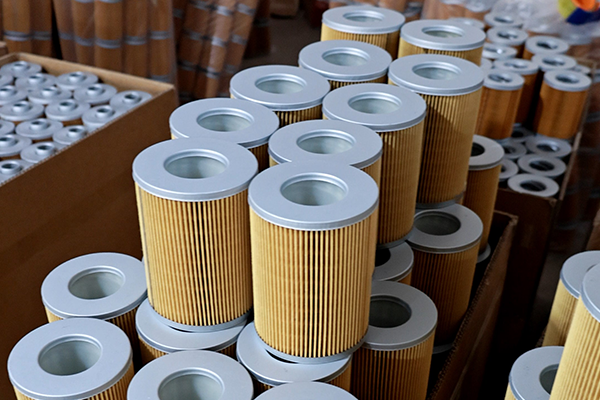
Filtration media is the heart of the fuel filter. Common materials include:
·Cellulose paper
·Synthetic fibers
·Glass fiber composites
·Multi-layer filtration structures
In fuel filter basics, multilayer designs improve dirt capacity while maintaining flow efficiency.
Structural components such as:
·Steel or aluminum housings
·Rubber sealing rings
·Anti-corrosion coatings
are controlled in production processes by experienced manufacturers to ensure durability during long-term engine operation.
Installation and Maintenance in Fuel Filter Basics
Correct installation ensures filtration effectiveness. Basic principles include:
·Installing in correct flow direction
·Maintaining proper sealing
·Replacing at recommended intervals
·Avoiding contamination during handling
From a factory support viewpoint, production also includes packaging protection and quality inspection so filters arrive ready for immediate installation in bulk supply shipments.
Regular replacement ensures that fuel filters continue to protect injection systems and combustion chambers efficiently.
Applications of Fuel Filters Across Industries
Fuel filter basics apply across many sectors:
·Automotive vehicles
·Construction machinery
·Agricultural equipment
·Marine engines
·Power generators
·Industrial systems
Each industry requires different filtration performance levels, and professional manufacturers adapt factory production lines to meet those customized requirements at scale.
Choosing the Right Fuel Filter Manufacturer
Selecting a reliable partner goes beyond product shape. Key factors include:
·Stable factory production capacity
·Consistent quality inspection systems
·Material traceability
·Custom design capability
·Bulk supply logistics support
A qualified fuel filter manufacturer integrates engineering, testing, and production to provide long-term reliability instead of short-term solutions.
Conclusion: Fuel Filter Basics Start With Professional Production
Understanding fuel filter basics helps engineers and buyers protect engines, reduce downtime, and improve fuel efficiency. A fuel filter is more than a simple part—it is a precision filtration system engineered through professional manufacturer-controlled production and factory bulk supply processes.
By focusing on filtration media, structure design, water separation, and quality testing, modern fuel filter production ensures engines receive clean fuel in every working condition.
If your application demands reliable performance, selecting a fuel filter supported by real factory manufacturing capability and scalable production systems is the foundation of long-term engine protection and operational success.
References
GB/T 7714:Khan M S, Patil K M. A Holistic Overview of Diesel Fuel Filter Selection Methodologies and Multi-Level Robust Testing and Validation Strategy[J]. 2021.
MLA:Khan, Mohammad Saifullah, and Krishnat M. Patil. "A Holistic Overview of Diesel Fuel Filter Selection Methodologies and Multi-Level Robust Testing and Validation Strategy." (2021).
APA:Khan, M. S., & Patil, K. M. (2021). A Holistic Overview of Diesel Fuel Filter Selection Methodologies and Multi-Level Robust Testing and Validation Strategy.
 Recommended Products

 Contact us
—— Contact:Mr. Gao
—— Tel:+86 19565234361
—— Email:gaomark706@gmail.com
—— Url:https://www.jzl-filter.com
—— Address:Hejian City, Cangzhou City, Hebei Province