
NewsDetails
OEM vs Aftermarket Oil Filters - Which is the Better Choice
author:Chengrui time:2026-06-17 20:03:21 Click:117
When it comes time to replace your oil filter, you face a choice that困惑 many vehicle owners: stick with the original equipment manufacturer filter or choose an aftermarket alternative. Both options have merit, and understanding the differences helps you make an informed decision that balances cost, quality, and peace of mind.
The automotive filter market offers countless options across a wide price range, making it challenging to determine which products provide genuine value. Some aftermarket filters match or exceed OEM quality, while others fall short in ways that can damage your engine. Knowing what to look for helps separate quality products from those that are better avoided.
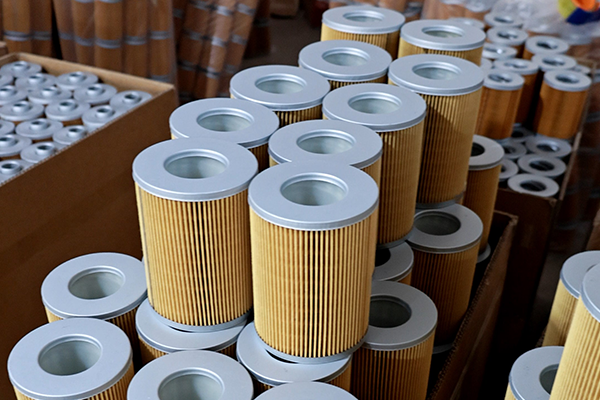
Understanding OEM Filters
Original equipment manufacturer filters are produced by companies that supply the automaker during new vehicle production. These filters are designed to meet specific requirements established by the vehicle manufacturer and typically carry the vehicle brand name or the filter manufacturer's name with an OEM part number.
OEM filters offer guaranteed fit and performance because they are designed for your specific vehicle. The vehicle manufacturer has tested these filters and approved them for use in your engine. This validation provides confidence that the filter will function correctly and provide adequate protection.
However, OEM filters often cost more than aftermarket alternatives, sometimes significantly so. The higher price reflects the validation and testing costs, brand premium, and sometimes higher actual manufacturing quality, but not always. Some OEM filters are manufactured by the same facilities that produce popular aftermarket brands, making them essentially identical products at different price points.
Aftermarket Filter Options
The aftermarket filter market includes products ranging from budget options to premium offerings that exceed OEM specifications. Many well-established filter manufacturers produce filters specifically designed to meet or exceed OEM requirements, offering comparable quality at lower prices.
Premium aftermarket filters often feature superior filter media, better construction, and additional features not found in OEM filters. Some manufacturers specialize exclusively in filtration products and have invested heavily in research and development to create filters that outperform original equipment.
The key challenge for consumers is identifying quality aftermarket filters among the many options available. Brand reputation, product reviews, and certification to industry standards help identify products worth considering. Working with a knowledgeable parts supplier simplifies this process considerably.
Quality Considerations
Filter quality involves multiple factors, including filter media efficiency, construction integrity, and performance characteristics. The filter media must capture contaminants while allowing adequate oil flow throughout the service interval. Poor quality media may restrict flow prematurely or allow contaminants to bypass the filter.
Construction quality affects how well the filter holds up under operating pressures and temperature extremes. Quality filters feature robust housings that resist cracking, properly sealed connections that prevent oil leaks, and reliable valves that function correctly under all conditions.
Some aftermarket manufacturers have quality management systems certified to international standards and subject their products to rigorous testing. These certifications provide assurance that the products meet consistent quality requirements. Look for manufacturers who invest in quality control and can demonstrate their products meet or exceed specifications.
Price vs Value Analysis
Price differences between OEM and aftermarket filters can be substantial, sometimes with aftermarket options costing half as much as OEM equivalents. However, the cheapest aftermarket option is rarely the best value, as the consequences of filter failure can far exceed any savings from buying the least expensive product.
Mid-priced aftermarket filters from established manufacturers often provide the best balance of cost and quality. These products typically meet or exceed OEM specifications while costing less than dealer parts. The savings from buying quality aftermarket filters multiply when maintaining multiple vehicles or performing frequent oil changes.
Premium aftermarket filters may cost as much as or more than OEM filters but offer superior performance characteristics. If your vehicle operates under severe conditions or you simply want maximum protection, premium aftermarket options may justify the additional investment.
Warranty Implications
Vehicle warranties may have specific requirements regarding replacement parts, though most modern warranties do not require OEM parts for coverage to remain valid. As long as the replacement parts meet manufacturer specifications, using aftermarket filters typically does not void warranty coverage.
However, if filter failure causes engine damage while the vehicle is under warranty, the warranty claim may be more straightforward with documented use of OEM parts. This does not mean aftermarket filters are unsafe, but documentation of quality product use provides additional protection if disputes arise.
Extended warranties and service contracts may have different requirements than new vehicle warranties. Review the terms of any extended coverage to understand whether specific parts are required for coverage to remain valid.
Making an Informed Choice
The right choice depends on your specific situation, priorities, and vehicle. For new vehicles under warranty, OEM filters provide simplicity and documented quality. For older vehicles out of warranty, quality aftermarket filters offer excellent value without sacrificing protection.
Consider your operating conditions when making the decision. Severe service applications may benefit from premium filters that exceed OEM specifications, regardless of whether they are OEM or aftermarket branded. Standard passenger vehicle operation typically works well with quality aftermarket filters from established manufacturers.
Research the manufacturer before purchasing. Companies with long histories in the filter business, strong reputations, and transparent quality practices are more likely to deliver products that meet expectations. Customer reviews and professional mechanic recommendations provide valuable insight into real-world product performance.
Working With Suppliers
A good parts supplier becomes a valuable resource when selecting filters and other maintenance parts. Knowledgeable staff can explain the differences between products, recommend options suitable for your application, and ensure you get the correct part number for your vehicle.
Establishing a relationship with a trusted oil filter supplier simplifies maintenance decisions and helps ensure you always get appropriate products. Suppliers who specialize in filters often have better selection and can source specialty items that general parts stores may not carry.
Many reputable oil filter manufacturers support their products with technical assistance and warranty coverage. This support provides recourse if products fail to meet expectations and demonstrates manufacturer confidence in their products.
Conclusion
Choosing between OEM and aftermarket oil filters requires evaluating quality, price, and your specific needs. Quality aftermarket filters from established manufacturers often provide the best value, while OEM filters offer convenience and guaranteed fit. The key is selecting quality products from reputable sources regardless of brand.
Whether you choose OEM or aftermarket, selecting a quality filter and maintaining regular replacement intervals protects your engine and maintains performance. Working with trusted oil filter suppliers and manufacturers simplifies the selection process and ensures you get products that meet your requirements.
References
Automotive Engineering International. (2024). Filter Quality Standards and Testing.
Aftermarket Business. (2023). Understanding the Filter Market.
Motor Age. (2024). OEM vs Aftermarket Parts Analysis.
Counterman Magazine. (2023). Choosing Quality Filters.
 Recommended Products



 Contact us
—— Contact:Mr. Gao
—— Tel:+86 19565234361
—— Email:gaomark706@gmail.com
—— Url:https://www.jzl-filter.com
—— Address:Hejian City, Cangzhou City, Hebei Province