
NewsDetails
Main Functions of an Oil Filter in Engine Protection
author:Chengrui time:2026-01-14 17:18:27 Click:104
The oil filter function is fundamental to engine protection and long-term performance. Modern engines rely on clean, stable oil circulation to reduce friction, control temperature, and prevent internal damage. Without effective filtration, contaminants can quickly compromise lubrication systems and lead to premature wear.
Understanding the oil filter function helps explain why this component is essential not only for everyday engines but also for industrial systems operating under continuous load. This article explores the main functions of an oil filter and how each contributes to reliable engine protection.
The Primary Oil Filter Function: Contaminant Removal
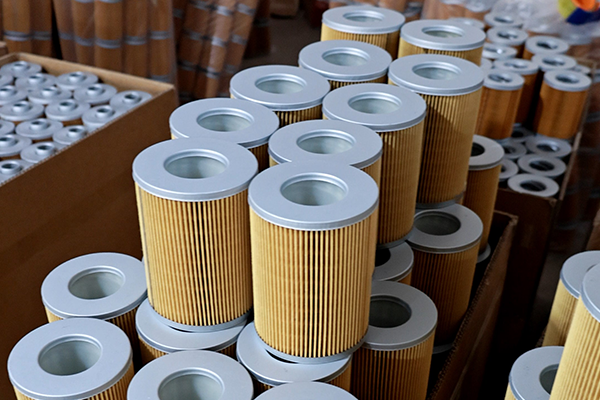
The most recognized oil filter function is the removal of contaminants from lubricating oil. During normal operation, engines generate metal particles, carbon deposits, and sludge. External dust and debris may also enter the system over time.
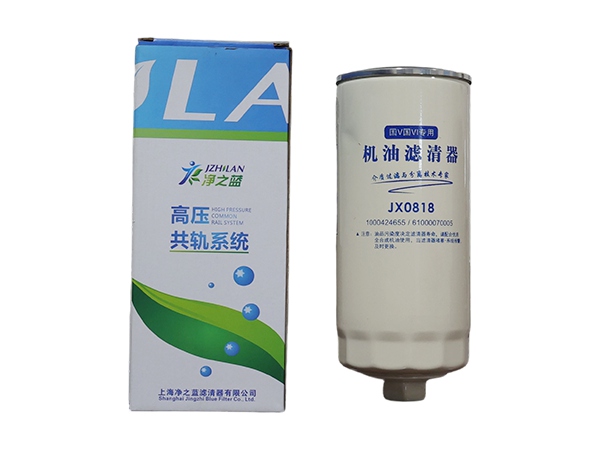
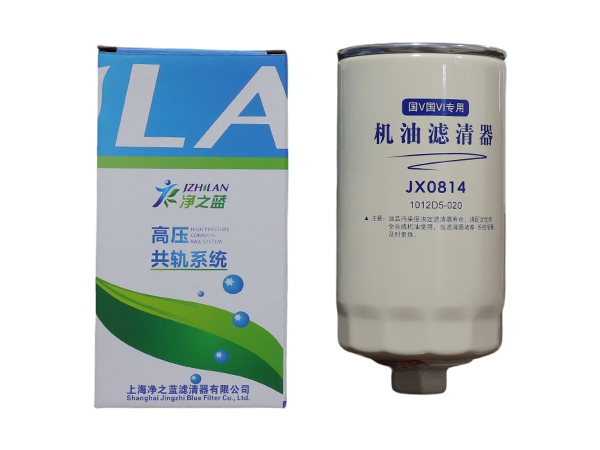
An oil filter captures these particles before the oil reaches critical engine components. By preventing abrasive materials from circulating, the oil filter reduces surface wear and protects bearings, pistons, and shafts.
Efficient contaminant control is especially important in engines designed for long operating cycles or large-scale production environments, where downtime must be minimized.
Maintaining Clean Oil Circulation
Another essential oil filter function is maintaining clean and continuous oil circulation. Filtration must occur without restricting oil flow, as insufficient oil supply can be just as harmful as contamination.
A properly designed oil filter balances filtration efficiency with flow capacity. This ensures that clean oil reaches all lubrication points under varying operating conditions, including cold starts and high-load situations.
Stable circulation supports consistent lubrication performance and reduces the risk of oil starvation.
Reducing Mechanical Wear
One of the long-term oil filter functions is minimizing mechanical wear. Even small particles can cause significant damage when trapped between moving parts under pressure.
By removing these particles, the oil filter creates a protective barrier between metal surfaces. Reduced wear results in smoother operation, lower friction, and improved energy efficiency.
For engines operating in demanding conditions, effective oil filtration directly contributes to longer service life and reduced maintenance frequency.
Supporting Oil Pressure Stability
Oil pressure stability is closely linked to oil filter function. A clogged or poorly designed filter can disrupt pressure levels, leading to inconsistent lubrication.
Oil filters are engineered to allow oil to pass through at controlled rates. Some designs include internal flow-regulating features that help maintain pressure balance even as contaminants accumulate.
Maintaining stable oil pressure is critical for protecting sensitive components and ensuring predictable engine behavior.
Protecting During Cold Starts and High Load Conditions
Operating conditions vary significantly, and oil filter function must adapt accordingly. During cold starts, oil viscosity increases, making flow more difficult. Under heavy load, oil temperatures rise and circulation demands increase.
Certain oil filter designs incorporate internal mechanisms that allow oil to flow when resistance becomes too high, preventing lubrication interruption. This function helps protect engines during extreme conditions without sacrificing filtration performance during normal operation.
Extending Oil Service Intervals
Another important oil filter function is extending oil service intervals. Clean oil degrades more slowly than contaminated oil, allowing longer usage periods before replacement is required.
Effective filtration helps maintain oil quality by removing impurities that accelerate oxidation and chemical breakdown. This is particularly valuable in industrial systems and high-volume production environments where oil consumption and maintenance costs are closely monitored.
Supporting Engine Reliability in Production Environments
In large-scale production and bulk supply applications, oil filters must deliver consistent performance across multiple units. Controlled manufacturing processes and standardized production methods help ensure that each oil filter meets functional requirements.
A manufacturer focused on production stability and material consistency can supply oil filters suitable for bulk use without compromising reliability. This consistency is essential for engines operating continuously or across fleets.
Oil Filter Function in Long-Term Engine Protection
When viewed as a whole, the oil filter function extends beyond simple filtration. It plays an active role in protecting internal components, stabilizing lubrication systems, and supporting efficient operation.
By maintaining clean oil, regulating flow, and reducing wear, oil filters help engines perform as designed over extended periods. This function is critical for both small-scale equipment and large industrial systems supplied in volume through controlled production processes.
Conclusion
The oil filter function is a cornerstone of effective engine protection. From removing contaminants and maintaining oil circulation to reducing wear and supporting pressure stability, each function contributes to reliable performance and extended engine life.
Whether applied in individual engines or supplied in bulk for large-scale production, oil filters remain essential components in modern lubrication systems. Understanding oil filter function allows users to better manage maintenance strategies and ensure long-term operational reliability.
References
GB/T 7714:Wakeman R J, Tarleton E S. Filtration: equipment selection, modelling and process simulation[M]. Elsevier, 1999.
MLA:Wakeman, Richard J., and E. Steven Tarleton. Filtration: equipment selection, modelling and process simulation. Elsevier, 1999.
APA:Wakeman, R. J., & Tarleton, E. S. (1999). Filtration: equipment selection, modelling and process simulation. Elsevier.
 Recommended Products



 Contact us
—— Contact:Mr. Gao
—— Tel:+86 19565234361
—— Email:gaomark706@gmail.com
—— Url:https://www.jzl-filter.com
—— Address:Hejian City, Cangzhou City, Hebei Province