
NewsDetails
Key Features of a High Efficiency Fuel Filter for Maximum Engine Protection
author:Chengrui time:2026-05-13 17:46:21 Click:111
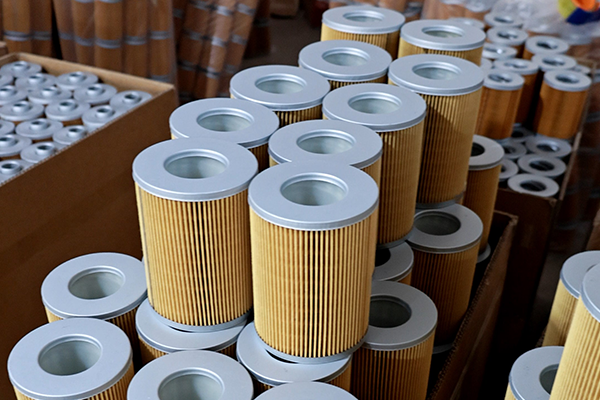
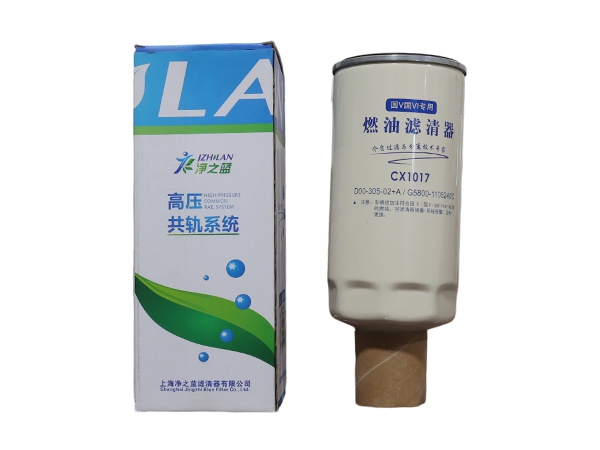
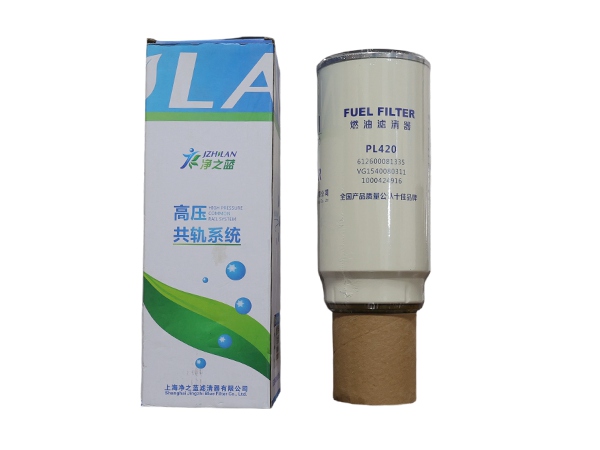
In modern engines, the cleanliness of fuel directly impacts performance, reliability, and service life. Even minute contaminants in fuel can lead to injector wear, combustion problems, and expensive breakdowns. For this reason, a high efficiency fuel filter is no longer a choice—it has become a critical component for maximizing engine protection. This article elaborates on the key characteristics that define a high efficiency fuel filter and why they are vital for vehicles, machinery, and industrial power systems.
1. High Filtration Precision (Micron-Level Efficiency)
The most crucial feature of a high efficiency fuel filter is its ability to capture extremely fine particles. It offers the following advantages:
Filters out dust, rust, and micro-sized debris effectively
Frequently achieves filtration accuracy at the micron level
Protects sensitive components such as fuel injectors and pumps
Modern fuel injection systems operate with extremely tight tolerances, meaning even particles smaller than a grain of sand can cause damage. High-precision filtration guarantees stable and clean fuel delivery to the engine.
2. High Dirt-Holding Capacity
A high efficiency fuel filter is designed not only to filter effectively but also to hold more contaminants before becoming clogged. This brings several benefits:
Prolonged service life
Reduced frequency of filter replacement
Consistent performance over an extended period
This feature is particularly important for heavy-duty vehicles and construction machinery that operate in dusty or harsh working environments.
3. Strong Pressure Resistance
Fuel systems, especially those in diesel engines, often work under high pressure. A reliable filter must maintain its structure under such stress. Strong pressure resistance ensures:
Prevention of filter collapse or deformation
Consistent fuel flow even under high pressure
Support for high-pressure fuel injection systems
This characteristic enhances both operational safety and performance stability of the fuel system.
4. Advanced Multi-Layer Filter Media
High efficiency fuel filters usually adopt multi-layer filtration structures, including:
Synthetic fiber layers
Micro-glass fiber media
Composite filtration materials
These layers work in coordination to capture particles of different sizes while maintaining smooth fuel flow, ensuring both filtration efficiency and operational performance.
5. Water Separation Capability
Water contamination in fuel is a major cause of engine corrosion and injector failure. High efficiency fuel filters often come with water separation functions, including:
Water-absorbing layers
Separation chambers
Drain systems for water removal
This feature is especially critical for diesel engines and marine applications, where water contamination is more likely to occur.
6. Consistent Fuel Flow Rate
A high-quality fuel filter must strike a balance between filtration efficiency and flow performance. A consistent fuel flow rate ensures:
Prevention of engine power loss
Stable combustion process
Maintenance of fuel system efficiency under load
Even with fine filtration, the engine must still receive an adequate supply of fuel without any restrictions.
7. Corrosion-Resistant Housing
Durability is essential for long-term performance. High-quality high efficiency fuel filters use corrosion-resistant designs, such as:
Anti-corrosion metal shells
High-strength polymer housings
Sealed construction to prevent leakage
This ensures reliable operation in humid, high-temperature, or chemically harsh environments.
8. Easy Installation and Maintenance
Modern high efficiency fuel filters are designed with practicality in mind, featuring:
Standardized connectors for easy matching
Simple and quick replacement process
Clear service indicators (in advanced models) to remind of replacement time
This reduces downtime and maintenance costs for operators and fleet managers.
9. Wide Application Compatibility
High efficiency fuel filters are suitable for a variety of systems, including:
Passenger vehicles
Diesel trucks and buses
Agricultural equipment
Construction machinery
Industrial generators
Their strong adaptability makes them a universal solution for protecting fuel systems across different industries.
Conclusion
A high efficiency fuel filter is defined by more than just its filtration ability—it integrates precision, durability, flow stability, and contamination resistance to protect the entire engine system. By selecting a filter with these key features, users can achieve:
Superior engine performance
Lower maintenance costs
Enhanced fuel efficiency
Longer engine service life
In today’s demanding operating environments, investing in a high efficiency fuel filter is one of the most effective ways to ensure long-term engine protection and reliable operation.
References
GB/T 7714:Microfiltration of Oils in Combustion Engines in Drive and Hydraulic Systems – Research and Review of Solutions. Combustion Engines
MLA:Fuel Filter Micron Ratings: Principles and Application in Engine Protection. Journal of Automotive Maintenance and Technology
APA:Key Performance Indicators of High Efficiency Fuel Filters for Modern Diesel Engines. Journal of Mechanical Engineering
 Recommended Products



 Contact us
—— Contact:Mr. Gao
—— Tel:+86 19565234361
—— Email:gaomark706@gmail.com
—— Url:https://www.jzl-filter.com
—— Address:Hejian City, Cangzhou City, Hebei Province