
NewsDetails
Heavy Duty vs Standard Filters: What's the Real Difference for Trucks?
author:Chengrui time:2026-08-27 17:53:05 Click:143
Walk into any parts counter and you'll see filters stacked side by side — some labeled "heavy duty," others with no label at all, just a lower price tag. They look almost identical. So what's the actual difference, and does it matter for your truck or machine?
The short answer is yes — and the differences go well beyond the label. Heavy duty filters are engineered for conditions that would overwhelm a standard automotive filter in a matter of days. Understanding those differences can save you from expensive downtime and premature engine wear.
The Operating Environment Tells the Story
A passenger car engine typically idles in moderate temperatures, runs on clean fuel, and operates in relatively short bursts. Commercial trucks and heavy equipment don't get that luxury. A dump truck hauling loads through a construction site inhales dust-laden air. A delivery rig runs continuously for ten hours in summer heat. A bulldozer works in dirt and debris all day long.
These conditions demand filtration components that can take a beating without falling apart. A factory producing heavy duty filters usually tests their media and seals under extended thermal cycling, high vibration, and sustained pressure — conditions that aren't part of standard automotive filter testing protocols. The operating environment is the first signal that you need something tougher than what rolls off the standard assembly line.
Filter Media Thickness and Durability
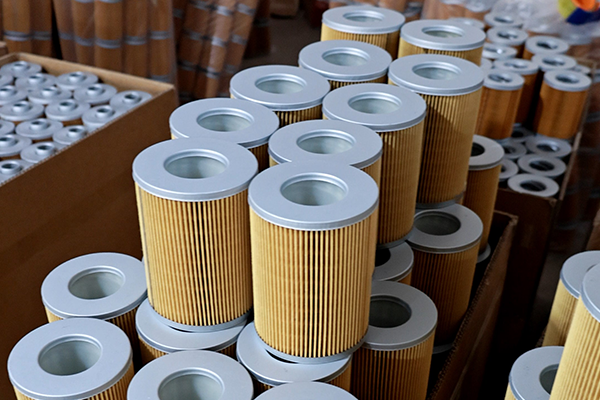
The actual filtering material inside is where the biggest differences show up. Standard oil filters typically use a cellulose or blended media with moderate dirt-holding capacity. That works fine when the oil is clean and the engine doesn't run under sustained stress.
Heavy duty filters often use a combination of synthetic media, fiberglass, or enhanced cellulose layers that provide greater porosity control and higher particulate capture efficiency. The media itself is typically thicker and more resistant to tearing during rapid oil flow changes. In fuel filtration, heavy duty elements might use multi-stage media that catches both large debris and fine water contamination — something a simple standard pleated element simply can't do as reliably.
For fleet managers, this translates to longer service intervals without sacrificing protection. The filter holds more dirt before it reaches capacity, which matters when you're running 15,000-mile oil drain intervals on a class-8 truck.
Housing and Seal Differences
Standard automotive filters are designed for low vibration environments and easy access during routine service. The housing is usually thin-gauge metal or high-quality plastic, and the sealing surfaces are adequate for the torque specifications of a typical passenger vehicle assembly line.
Heavy duty filter housings are built from thicker steel or reinforced composite materials designed to resist cracking under vibration and thermal stress. The sealing surfaces are machined or formed to tighter tolerances, and the gasket compounds are selected for resistance to the higher temperatures and aggressive additives found in diesel engine oils and biodiesel blends.
If you've ever had a seal blow out on a standard filter after a few heat cycles, you'll understand why this matters. In commercial applications, a leaking filter isn't just messy — it's a safety and environmental concern, especially on the road.
Why Heavy Duty Filters Handle Higher Temperatures
Diesel engines run hotter than gasoline engines, often operating in the 200°F to 240°F range during sustained loads. Standard filters are generally rated for the cooler operating environment of passenger vehicles. Heavy duty components are rated for the higher thermal loads of diesel and heavy equipment applications.
Beyond the engine oil circuit, heavy duty fuel filters also manage the heat generated by high-pressure common rail injection systems. Standard fuel filters may degrade faster when exposed to these temperatures over extended periods, leading to premature fuel system wear and decreased injector performance.
The thermal rating isn't just a number on a box — it affects the chemistry of the sealing compounds, the structural integrity of the housing, and the flow characteristics of the media itself. Choosing a filter with the correct temperature rating for your application is one of the simplest ways to prevent unexpected failures.
Making the Right Call for Your Fleet
There's a temptation to cut costs by using standard filters on heavy duty applications, especially when the upfront price looks attractive. That calculation usually falls apart over time. Premature plugging, leaks, bypass valve activations, and the resulting engine wear tend to cost far more than the difference in filter price.
The right approach is to match the filter specification to the application. Check the OEM recommendations for your engine model, consider the typical operating conditions your vehicles face, and factor in your planned service intervals. A quality heavy duty filter from a reputable supplier is one of the least expensive forms of engine insurance you can buy.
Fleet managers who switch from mixed standard and heavy duty inventory to a consistent heavy duty filter program often report fewer roadside breakdowns and lower total maintenance costs within the first year. The math is usually pretty simple once you account for the full cost of a failed filter.
References
SAE International. (2018). Heavy-Duty Diesel Engine Filtration Standards and Testing Protocols. Society of Automotive Engineers.
Caterpillar Inc. (2019). Diesel Engine Maintenance Handbook: Filtration System Requirements. Caterpillar Technical Publications.
International Council on Clean Transportation. (2020). Fleet Vehicle Maintenance and Emissions Performance in Commercial Transport. ICCT White Paper.
Society of Automotive Engineers. (2017). Fuel Filter Performance and Durability Testing Under Elevated Temperature Conditions. SAE Technical Paper Series.
U.S. Department of Energy, National Energy Technology Laboratory. (2021). Heavy-Duty Engine Efficiency and Durability: Filtration Material Advancements. DOE Technical Report.
 Recommended Products



 Contact us
—— Contact:Mr. Gao
—— Tel:+86 19565234361
—— Email:gaomark706@gmail.com
—— Url:https://www.jzl-filter.com
—— Address:Hejian City, Cangzhou City, Hebei Province