
NewsDetails
Gasoline Fuel Filter Explained: How It Works and Why It Matters for Engine Health
author:Chengrui time:2026-04-25 16:08:30 Click:132
Efficient operation of a gasoline engine relies largely on the use of clean fuel. Among the key components responsible for maintaining fuel purity, the gasoline fuel filter stands out as indispensable. Despite being frequently ignored, this compact part plays a vital role in safeguarding the engine, boosting its performance, and prolonging the overall service life of the vehicle. This article will elaborate on the working mechanism of a gasoline fuel filter, its core functions, and the reasons why it is vital for sustaining engine health.
What Is a Gasoline Fuel Filter?
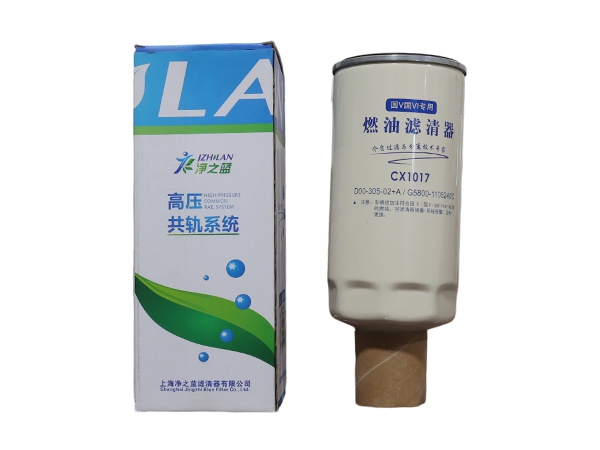
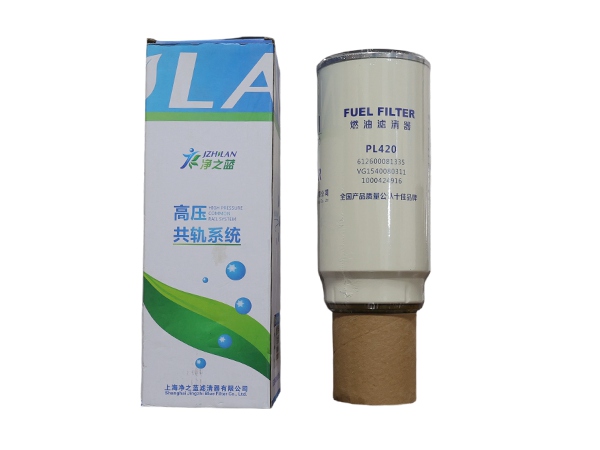
A gasoline fuel filter is a key component integrated into a vehicle’s fuel system. Its primary objective is to eliminate contaminants—such as dust, rust fragments, debris, and moisture—from the fuel before it reaches the engine’s internal components. Even premium-grade gasoline may contain tiny impurities during storage, transportation, or refueling processes. Without adequate filtration, these contaminants can cause significant damage to the engine’s sensitive parts, leading to costly repairs.
How Does a Gasoline Fuel Filter Work?
The operating principle of a gasoline fuel filter is straightforward yet highly efficient, consisting of four key steps:
Fuel Entry
Fuel is drawn from the fuel tank and flows into the filter to begin the purification process.
Filtration Process
Inside the filter, a specialized filtering medium—typically made of paper, synthetic fibers, or metal mesh—traps and retains impurities suspended in the fuel.
Clean Fuel Output
After passing through the filtering medium, the purified fuel continues its journey to the fuel injectors or carburetor, where it is delivered for combustion.
Contaminant Retention
Dirt, rust, and other particles are held inside the filter, preventing them from entering the engine and causing abrasion or blockages. This continuous cycle ensures that only clean, impurity-free fuel is used for engine combustion, maintaining optimal performance.
Key Functions of a Gasoline Fuel Filter
The gasoline fuel filter fulfills several critical functions that are essential for engine health and vehicle performance:
1. Safeguards Fuel Injectors
Fuel injectors are highly precise components that require clean fuel to function properly. Even minute particles can clog their nozzles or cause irreversible damage, and the fuel filter effectively prevents this issue.
2. Enhances Engine Performance
Clean fuel enables more complete and efficient combustion, resulting in smoother engine operation, consistent power delivery, and reduced vibration.
3. Boosts Fuel Efficiency
When fuel burns efficiently, the engine uses less fuel to produce the same amount of power, thereby improving the vehicle’s overall fuel economy and reducing fuel costs.
4. Minimizes Engine Wear
By blocking abrasive particles from entering the engine’s internal components—such as pistons, cylinders, and valves—the fuel filter reduces long-term wear and tear, extending the engine’s service life.
Why Gasoline Fuel Filters Are Essential for Engine Health
A clogged or low-quality gasoline fuel filter can give rise to a range of engine problems, including:
Difficulty starting the engine, especially in cold weather
Reduced acceleration and noticeable power loss during driving
Engine misfires, hesitation, or rough idling
Increased fuel consumption and decreased mileage
Potential damage to fuel system components, such as fuel pumps and injectors
On the other hand, a clean, high-quality fuel filter ensures consistent engine performance, prevents unnecessary damage, and helps avoid expensive repairs.
Types of Gasoline Fuel Filters
There are several common types of gasoline fuel filters used in modern vehicles, each designed to suit different vehicle structures and performance needs:
Inline Fuel Filters: Mounted directly in the fuel line between the fuel tank and the engine, these filters are easy to access and replace.
Cartridge Fuel Filters: Featuring a replaceable filter element inside a sealed housing, these filters are known for their high filtration efficiency and durability.
In-tank Fuel Filters: Located inside the fuel tank, these filters are often integrated with the fuel pump, offering space-saving advantages and protection from external damage.
Metal Canister Filters: Constructed with a durable metal casing, these filters are commonly used in older vehicles or heavy-duty applications that require enhanced durability.
When Should You Replace a Gasoline Fuel Filter?
Gasoline fuel filters have a limited service life and will eventually become clogged with accumulated debris. Here are some common signs that indicate it’s time to replace your fuel filter:
·Engine hesitation or sluggish acceleration when pressing the gas pedal
·Difficulty starting the engine or frequent stalling during operation
·A noticeable drop in fuel efficiency, requiring more frequent refueling
·Significant power loss, especially during high-speed driving or when carrying heavy loads
Most vehicle manufacturers recommend replacing the fuel filter every 20,000 to 40,000 miles, though this interval may vary based on driving conditions (such as dusty roads) and the quality of fuel used.
Choosing a High-Quality Gasoline Fuel Filter
When selecting a gasoline fuel filter for your vehicle or business, consider the following key factors to ensure optimal performance and protection:
Filtration Precision: Higher filtration efficiency (ability to trap smaller particles) provides better protection for the engine.
Durability: Filters made from high-quality, corrosion-resistant materials will have a longer service life and perform reliably in harsh conditions.
Vehicle Compatibility: The filter must match the specifications of your vehicle’s fuel system to ensure proper fit and function.
Fuel Flow Stability: A good filter should not restrict fuel flow, as this can lead to power loss and engine damage.
Reputable Manufacturer: Choosing filters from a trusted manufacturer guarantees consistent quality, performance, and compliance with industry standards.
Our factory specializes in producing high-quality gasoline fuel filters, featuring stable performance, long service life, and strict quality control measures. Our products are suitable for a wide range of automotive applications worldwide.
Conclusion
Although small in size, the gasoline fuel filter is a critical component of any vehicle’s fuel system. It protects the engine from harmful contaminants, improves fuel efficiency, and ensures smooth, reliable performance. Regular replacement of the fuel filter and choosing a high-quality product are simple yet effective measures to maintain engine health, extend vehicle life, and avoid costly repairs. If you are in need of a reliable supply of gasoline fuel filters, our factory can provide professional manufacturing support and customized solutions to meet your specific business requirements.
References
GB/T 7714:Filtration Technology in Automotive Fuel Systems: A Review of Gasoline Fuel Filter Design and Performance. Journal of Automotive Engineering
MLA:The Impact of Fuel Filtration on Engine Longevity and Fuel Efficiency. International Journal of Vehicle Design and Performance
APA:Contaminant Removal Mechanisms in Gasoline Fuel Filters: Experimental Analysis and Optimization. Journal of Engineering for Gas Turbines and Power
 Recommended Products



 Contact us
—— Contact:Mr. Gao
—— Tel:+86 19565234361
—— Email:gaomark706@gmail.com
—— Url:https://www.jzl-filter.com
—— Address:Hejian City, Cangzhou City, Hebei Province