
NewsDetails
Choosing the Right Oil Filter for Your Vehicle
author:Chengrui time:2026-05-28 20:05:28 Click:171
Choosing the Right Oil Filter for Your Vehicle
Selecting the correct oil filter involves more than finding one that physically fits your vehicle. The right filter must match your engine's requirements, operating conditions, and performance expectations. Making informed filter selections protects your engine investment and ensures optimal lubrication system performance between oil changes.
With countless filter options available from numerous manufacturers, determining the right choice can seem overwhelming. However, focusing on a few key factors simplifies the decision while ensuring your engine receives appropriate protection. Understanding what distinguishes quality filters helps you evaluate options effectively.
Matching Filter Specifications
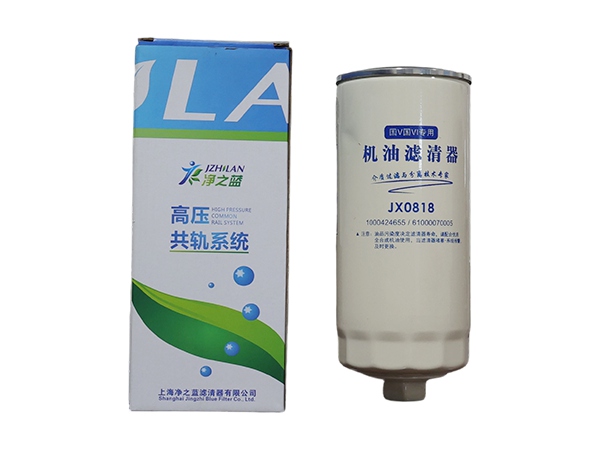
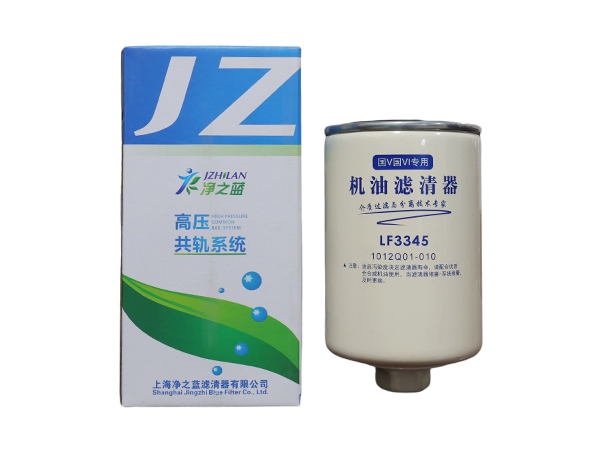
The first and most critical step is confirming filter compatibility with your specific vehicle. Part number databases at automotive parts suppliers can identify correct filters based on vehicle identification information. However, the owner's manual provides definitive guidance on manufacturer-approved filters for your vehicle.
Every filter intended for your vehicle has been validated by the manufacturer to provide adequate flow and filtration capacity. Using filters outside the approved specification range risks inadequate protection or compatibility issues that can cause damage or premature failure.
Multiple filter numbers may be listed across different sources, sometimes creating confusion. This typically occurs when manufacturers consolidate part numbers or when sources interpret specifications differently. When in doubt, consult your dealer's parts department for authoritative recommendations.
Understanding Filter Construction
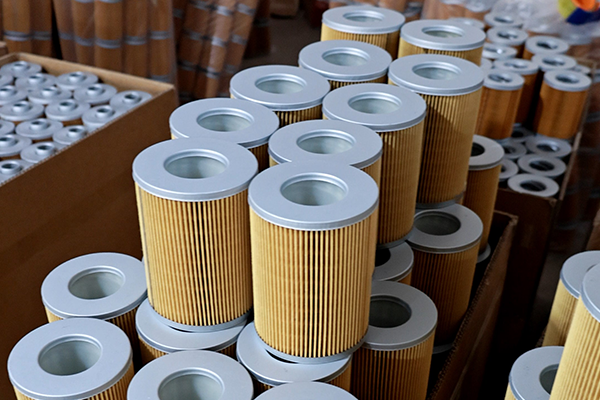
Oil filters consist of several functional components that work together to provide engine protection. The filter medium captures contaminants while allowing oil to flow freely. The base plate provides mounting and sealing surfaces. Interior passages direct oil flow efficiently through the filter element.
Filter media technology varies between manufacturers and price points. Standard media typically use cellulose fibers that provide adequate filtration for normal applications. Premium synthetic media offer finer filtration efficiency and greater dirt-holding capacity, extending the service life of the filter.
Bypass valves allow oil flow to the engine when the filter becomes restricted or when oil temperature is too cold for proper flow through the media. These valves prevent catastrophic oil starvation but allow contaminants to reach the engine when open. Anti-drain back valves prevent oil from draining out when the engine is off, ensuring proper lubrication immediately upon startup.
Evaluating Filter Quality
Filter quality can vary significantly between manufacturers and even within a single manufacturer's product line. Higher quality filters typically feature stronger construction, better media, and more reliable components, but identifying quality requires knowing what to look for.
Brand reputation provides a useful starting point for quality assessment. Established manufacturers with long histories in the filter business have established quality processes and reputations at stake. These manufacturers are motivated to maintain quality that protects their brand recognition.
Certifications to international quality standards demonstrate compliance with recognized quality management systems. Organizations such as the International Organization for Standardization provide certifications that verify manufacturers meet consistent quality requirements.
Considering Operating Conditions
Standard filter recommendations assume normal driving conditions, which may not reflect your actual use. Severe service conditions require filters rated for those applications, even if the specific filter was not originally specified for your vehicle.
Off-road operation, dusty environments, towing, and repeated short trips constitute severe service that typically requires shortened service intervals. Filters designed for severe service often feature enhanced construction and filtration capacity to handle challenging conditions.
Extreme temperature conditions also affect filter selection and service intervals. Very cold climates may require filters with cold-flow ratings appropriate for winter temperatures. Hot conditions may demand filters rated for high-temperature operation.
Understanding Flow Requirements
Engines have specific oil flow requirements that filters must satisfy. Too-restricted flow reduces oil pressure and can cause insufficient lubrication, particularly during cold operation or high-demand driving. Filters with insufficient capacity may not make adequate flow available to engine components.
Filter flow capacity relates directly to filter size, with larger filters generally providing greater flow capacity. However, mounting constraints often limit size options. Maximum available sizes within application guidelines typically provide the best flow margins.
Using filters smaller than recommended creates risk of flow inadequacy. Larger filters within application specifications generally provide safe flow margins, though checking application fit is essential.
Working With Suppliers
Knowledgeable parts suppliers simplify filter selection by accessing vehicle-specific databases and using their expertise to identify appropriately-rated filter products. Building relationships with good suppliers provides ongoing access to expert guidance.
Good oil filter suppliers stock products suitable for common applications in their market area. Tell them about your vehicle and operating conditions, and they can recommend filters from established manufacturers that meet your needs.
Suppliers familiar with local conditions often stock filters rated for regional challenges like dusty roads, humidity, or temperature extremes. This local knowledge helps tailor filter selections to actual operating conditions.
Price Considerations
Filter prices vary substantially, creating temptation to select the lowest-cost option. However, the filter constitutes insurance against engine damage that costs far more to repair than any price differential between filter options.
Mid-priced filters from established manufacturers typically provide the best value. These filters meet application requirements while providing reasonable service life. Significantly cheaper filters may cut corners in ways that risk engine damage.
Premium filters from leading manufacturers cost more but often provide superior performance and longer service life. For high-mileage vehicles or those with substantial remaining value, premium filters often prove economical.
Installation Considerations
Correct filter installation is as important as selecting the right filter. Improper installation can cause immediate oil leaks or restrict flow severely enough to cause damage. Following proper installation procedures protects your engine investment.
Hand-tightening provides adequate torque for most filters. Using filter wrenches risks overtightening that damages filter components or makes subsequent removal difficult. When filter wrenches are necessary, use them cautiously.
Always inspect mounting surfaces when replacing filters. Clean any debris from surfaces, and inspect old filters for clues about issues like mis-sizing or seal damage that might indicate installation problems.
Conclusion
Choosing the right oil filter requires matching application specifications and considering operating conditions. Quality filters from established manufacturers provide peace of mind that your engine receives proper protection.
Professional guidance from your oil filter supplier helps identify the best filter for your specific vehicle and conditions. Investing time in proper filter selection protects your engine investment and ensures reliable operation.
References
Motor Age. (2024). Selecting Replacement Filters.
Automotive Engineering. (2023). Oil Filter Technology Guide.
Popular Mechanics. (2024). Car Maintenance Essentials.
Car Care Guide. (2023). Filter Selection and Service.
 Recommended Products



 Contact us
—— Contact:Mr. Gao
—— Tel:+86 19565234361
—— Email:gaomark706@gmail.com
—— Url:https://www.jzl-filter.com
—— Address:Hejian City, Cangzhou City, Hebei Province