
NewsDetails
Heavy Duty Fuel Filters for Trucks and Commercial Vehicles
author:Chengrui time:2026-06-14 19:16:42 Click:183
Commercial trucking and heavy equipment operations demand fuel filtration systems that can handle demanding conditions and extended service intervals. Unlike passenger vehicles, commercial trucks often operate continuously for many hours, covering hundreds of miles daily while carrying heavy loads. The fuel systems in these vehicles require robust filtration that protects against the unique challenges of commercial transportation.
Fleet managers and equipment operators understand that downtime costs money. A fuel system failure can ground a truck, delay deliveries, and create significant financial impacts beyond simple repair costs. Quality heavy duty fuel filters provide reliable protection that keeps vehicles operating and prevents costly interruptions to business operations.
Understanding Heavy Duty Requirements
Heavy duty fuel filters must meet more stringent requirements than standard passenger vehicle filters. These requirements include higher flow rates to meet the demands of large displacement engines, increased dirt-holding capacity to extend service intervals, and construction robust enough to handle the vibration and harsh conditions typical of commercial operation.
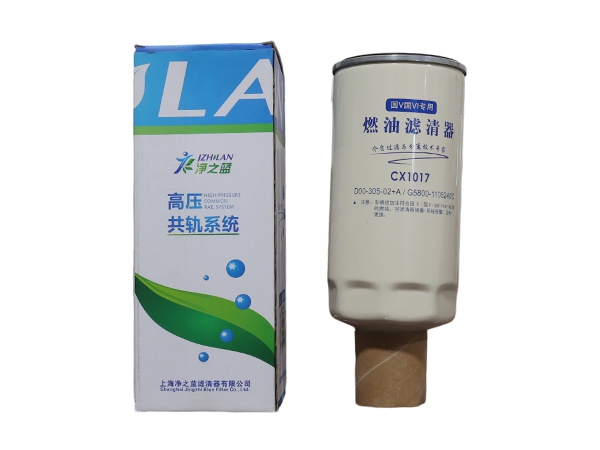
Modern heavy duty diesel engines often feature high-pressure common rail fuel injection systems that require exceptionally clean fuel. The injectors in these systems have extremely small passages and precise tolerances that can be damaged by contaminants that would be harmless in older engine designs. This sensitivity demands filtration efficiency that exceeds what suffices for conventional diesel engines.
Commercial vehicles also operate in diverse conditions, from dusty construction sites to freezing winter roads. A filter that performs well in one condition may fail in another. Heavy duty filters are designed to perform consistently across the full range of conditions these vehicles encounter.
Filter Media and Construction
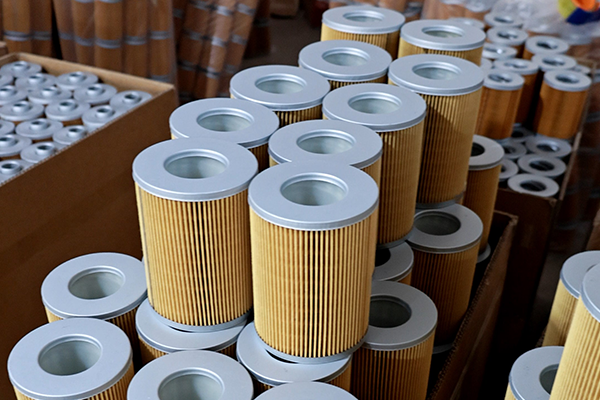
Heavy duty fuel filters typically employ premium filter media that provides superior filtration efficiency and dirt-holding capacity. Pleated synthetic media offers excellent performance and long service life, making it a popular choice for commercial applications where extended intervals between maintenance are desirable.
Glass microfiber media provides even finer filtration for applications requiring maximum protection. While more expensive, these filters protect sensitive fuel system components and reduce the risk of costly injector failures. Many fleet operators find the premium cost justified by reduced downtime and repair expenses.
Heavy duty filter construction features robust housings that resist cracking and damage from road debris and vibration. Quality filters include proper sealing that prevents contaminant bypass and reliable connections that resist loosening during operation. These construction details make the difference between filters that perform reliably and those that fail prematurely.
Water Separation Capabilities
Water contamination represents a significant threat to heavy duty diesel fuel systems. Unlike gasoline engines, diesel fuel naturally contains water that accumulates during storage and transport. This water can cause corrosion, promote biological growth, and lead to fuel system component failure.
Many heavy duty fuel filters incorporate water separation technology that removes water from fuel before it reaches sensitive injection system components. Coalescing elements bring tiny water droplets together into larger masses that settle to the bottom of the filter housing, where they can be periodically drained.
Effective water separation is particularly important for vehicles that frequently sit unused, such as seasonal equipment or trucks that operate intermittently. These vehicles are more susceptible to water accumulation problems because fuel sits in tanks for extended periods, allowing water to separate and accumulate.
Service Interval Considerations
Heavy duty applications often require extended service intervals to minimize downtime and maintenance costs. Filters must provide adequate dirt-holding capacity to last between scheduled changes while maintaining proper flow characteristics throughout their service life.
Several factors affect appropriate service intervals for heavy duty applications. Dusty environments, frequent short trips, and poor fuel quality reduce filter life and require more frequent replacement. Conversely, highway operation with clean fuel may allow extended intervals beyond standard recommendations.
Many fleet operators establish preventive maintenance schedules based on their specific operating conditions rather than relying solely on manufacturer recommendations. This approach accounts for the actual conditions their vehicles experience rather than average expectations that may not reflect their specific situation.
Selecting the Right Filter
Choosing the appropriate heavy duty fuel filter requires matching filter specifications to vehicle requirements. Filter dimensions must fit the mounting configuration, and flow capacity must meet engine demands. Pressure ratings must exceed the maximum system pressure to ensure reliable operation.
Consulting with a knowledgeable fuel filter supplier helps ensure you select filters appropriate for your specific vehicles and applications. These professionals can recommend products based on your operating conditions and maintenance preferences, helping optimize the balance between filtration performance and service convenience.
Quality heavy duty fuel filter manufacturers provide detailed specifications and testing data that demonstrate their products meet the demands of commercial applications. Look for manufacturers with established reputations in the heavy duty market and a history of supplying filters to commercial fleets.
Fleet Management Considerations
Fleet managers must balance multiple factors when establishing fuel filter maintenance programs. Cost considerations include not just filter prices but also labor costs for replacement and potential expenses from filter-related failures. The lowest cost option is rarely the best value when potential downtime and repair costs are considered.
Many fleet operators standardize on particular filter brands and part numbers to simplify inventory management and maintenance procedures. This standardization reduces the risk of incorrect filter installation and allows maintenance personnel to develop expertise with specific products.
Tracking filter performance across fleet vehicles helps identify issues before they become widespread problems. Documenting service intervals and any problems observed provides data that can improve maintenance scheduling and identify vehicles requiring attention.
Remote and Severe Applications
Equipment operating in remote locations faces unique fuel filtration challenges. Long distances from parts suppliers make it essential to select filters with appropriate service intervals and reliable performance. A filter failure in a remote location creates significant logistical challenges and expenses.
Heavy equipment used in mining, construction, and similar applications often operates in extremely dusty conditions that challenge filtration systems. These applications require filters with exceptional dirt-holding capacity and construction robust enough to handle harsh environments. Premium filters designed for severe service typically prove more economical than frequent standard filter changes.
Equipment operating in temperature extremes requires filters rated for those conditions. Cold climate operation may require heated filters or special cold-weather formulations, while high-heat applications demand filters that maintain integrity under thermal stress.
Conclusion
Heavy duty fuel filters protect the substantial investment in commercial vehicles and equipment. Selecting quality filters from established manufacturers, establishing appropriate maintenance schedules, and working with knowledgeable suppliers ensures your fleet receives the protection needed for reliable operation.
Investment in quality filtration pays dividends through reduced downtime, extended component life, and consistent performance. Whether managing a small fleet or a large operation, prioritizing fuel filtration protects your business from the costs of unexpected failures.
References
Heavy Duty Trucking Magazine. (2024). Fleet Maintenance Best Practices.
Commercial Carrier Journal. (2023). Fuel System Protection Strategies.
Equipment World. (2024). Heavy Equipment Filtration Requirements.
Transport Topics. (2023). Fleet Management and Maintenance Guide.
 Recommended Products



 Contact us
—— Contact:Mr. Gao
—— Tel:+86 19565234361
—— Email:gaomark706@gmail.com
—— Url:https://www.jzl-filter.com
—— Address:Hejian City, Cangzhou City, Hebei Province