
NewsDetails
Complete Fuel System Maintenance Guide
author:Chengrui time:2026-06-11 18:27:40 Click:193
Maintaining your vehicle's fuel system ensures consistent performance, optimal fuel economy, and prevents costly breakdowns. Regular attention to fuel system components, particularly filters, protects expensive fuel system components and maintains the reliable operation your vehicle delivers. This comprehensive guide covers everything you need to know about fuel system maintenance.

Modern fuel systems combine precision engineering with sophisticated electronics to deliver fuel efficiently and cleanly to your engine. Protecting this investment through proper maintenance ensures your vehicle continues delivering the performance and economy you expect. Neglecting fuel system maintenance leads to degraded performance and potentially expensive repairs.
Understanding Your Fuel System
Vehicle fuel systems consist of several integrated components that work together to deliver fuel from the tank to the engine. The fuel tank stores fuel and may incorporate fuel pump modules that draw fuel and send it toward the engine through supply lines. The fuel filter removes contaminants before fuel reaches the injection system.
Fuel injection systems have evolved significantly over the years, from simple carburetors to sophisticated high-pressure injection systems. Each system type has specific maintenance requirements that reflect its design complexity. Understanding your system helps you provide appropriate maintenance.
Modern gasoline engines use sequential multi-port injection or direct injection systems that deliver fuel precisely to each cylinder. Diesel engines use either conventional injection or high-pressure common rail systems, with the latter requiring exceptionally clean fuel to protect sensitive components.
Fuel Filter Maintenance
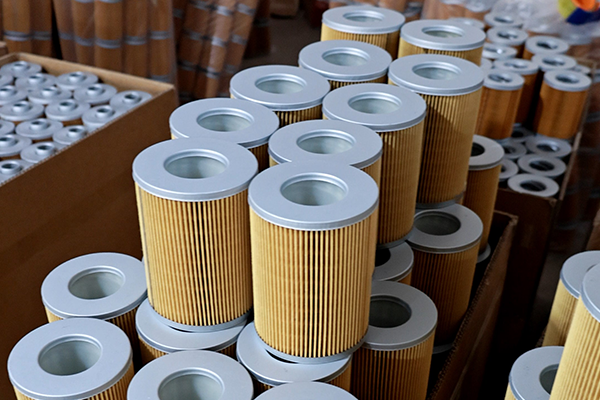
Fuel filter replacement ranks as the most important fuel system maintenance task. Filters trap contaminants that would otherwise reach and damage fuel injection components. Over time, filters accumulate trapped debris and restrict fuel flow, requiring replacement.
Replacement intervals vary by vehicle and operating conditions. Manufacturer recommendations provide baseline guidance, but severe service conditions may require more frequent changes. dusty environments, poor fuel quality, and frequent short trips that prevent complete fuel system warmup accelerate filter loading.
Proper fuel filter replacement requires following specific procedures that vary between vehicles. Some filters mount externally and are easily accessible, while others hide beneath the vehicle or require extensive disassembly. Consult repair manuals for specific procedures applicable to your vehicle.
Fuel Pump Care
Fuel pumps typically operate submerged in the fuel tank, where fuel provides cooling and lubrication. Running with low fuel levels stresses the pump, as reduced fuel flow provides less cooling and can cause overheating. Maintaining adequate fuel levels extends pump life considerably.
Contaminated fuel can damage fuel pumps, particularly in high-pressure systems. While fuel filters protect injection components, they also help protect the pump itself by removing abrasives before they reach pump internals. Maintaining filters properly thus protects both injection components and the fuel pump.
Pump replacement typically requires fuel tank dropping on many vehicles, making this repair expensive and time-consuming. Preventing pump failures through proper maintenance and good fill habits makes good economic sense.
Fuel Tank Maintenance
Fuel tanks accumulate contamination over time, including rust, sediment, and microbial growth. While fuel filters catch most of this debris, some accumulates in the tank itself. Periodic tank cleaning may be necessary on older vehicles or those with known fuel quality issues.
Contamination in fuel tanks can clog pickup screens and introduce debris past filters into the fuel system. Cleaning involves removing accumulated sediment from the tank bottom and inspecting for internal corrosion or damage that may have developed over time.
Using quality fuel from reputable sources helps minimize tank contamination. While this approach does not eliminate all contamination, it reduces the debris load that accumulates in tanks and simplifies overall fuel system maintenance.
Fuel Line and Connector Maintenance
Fuel lines and connectors require periodic inspection for damage, corrosion, or leaks. Physical damage from road debris or age-related deterioration can create fuel leaks that present serious safety hazards. Regular inspection identifies problems before they cause failures.
Steel fuel lines can corrode, particularly in areas where road salt is used during winter months. Flexible fuel lines, often called rubber hoses, can harden or crack over time, developing leaks at connection points.
Any indication of fuel leaks warrants immediate attention. Fuel leaks create fire hazards and can leave you stranded. Addressing leaks promptly preserves safety and prevents the further damage that typically accompanies prolonged leak operation.
Injector Maintenance
Fuel injectors require clean fuel to operate properly. While filters protect injectors, injector cleaning additives can supplement filtration by addressing deposits that accumulate on injector internals. These deposits form from fuel impurities and thermal breakdown products.
Injector cleaning additives work by dissolving deposits and suspending them for capture by the filter. While not substitutes for proper filtration, these additives help maintain injector performance between more extensive service procedures. Using quality fuels with detergents built into the formulation also helps control deposit formation.
Severely clogged injectors may require professional cleaning services or replacement. Symptoms of injector problems include rough idle, poor acceleration, misfire conditions, and increased emissions. Diagnostic testing determines whether injectors require attention.
Fuel System Diagnostics
Modern fuel systems incorporate onboard diagnostics that monitor performance and can identify developing problems. Diagnostic trouble codes stored in the engine computer provide valuable troubleshooting information when performance problems develop.
Professional diagnostic services can access this information and translate it into actionable repair recommendations. While generic code readers provide basic information, professional-level diagnostics interpret the complex interactions between fuel system components and other electronic systems.
Performance symptoms that resist easy diagnosis often indicate fuel system problems that require professional attention. Running issues, poor fuel economy, and difficulty starting can all originate in the fuel system.
Seasonal Maintenance Considerations
Different seasons present unique fuel system challenges. Winter brings concerns about fuel gelling in diesel and water freeze issues that summer fuel handling does not address. Summer heat can accelerate fuel system component deterioration.
Winter diesel operation may require fuel formulated for cold weather or treatments that prevent gelling. Summer temperatures increase evaporation that can cause fuel system vaporlock in some applications. Addressing these seasonal variations requires appropriate maintenance adjustments.
Pre-season inspections help identify developing problems before they cause seasonally-related failures. Taking time to address fuel system condition before seasonal challenges arrive prevents the inconvenience and expense of breakdowns in adverse conditions.
Building Maintenance Records
Documenting fuel system maintenance provides valuable records that help track component condition and maintenance history. Records show when specific work was performed, helping establish intervals for future service.
Good records also support vehicle resale value by documenting maintenance history. Prospective buyers recognize that vehicles with documented maintenance have received appropriate care and are likely to have remaining useful life.
Digital record-keeping simplifies maintenance documentation. Many apps and services offer vehicle maintenance tracking that sends reminders for upcoming service and maintains historical records automatically when service is performed professionally.
Preventive Maintenance Benefits
Preventive fuel system maintenance costs far less than reactive repairs. Identifying and addressing problems before they cause failures prevents the inconvenience of breakdowns and the expense of major repairs. Regular filter replacement costs a fraction of fuel pump or injector replacement.
Consistent maintenance also improves reliability, ensuring your vehicle starts when needed and performs regardless of driving conditions. This reliability proves particularly valuable for vehicles used for critical purposes or in situations where breakdown would create serious problems.
Working with knowledgeable fuel system professionals helps ensure you receive appropriate guidance and service. A good fuel filter supplier or mechanic becomes a valued resource for maintenance needs and advice.
Conclusion
Fuel system maintenance protects your vehicle investment and ensures reliable operation. Regular attention to filters, tanks, and associated components prevents the major expenses that result from neglected fuel systems.
Establishing good maintenance habits and working with trusted professionals keeps your fuel system in top condition. The investment in regular maintenance pays dividends through improved reliability, performance, and extended component life.
References
Fleet Maintenance Magazine. (2024). Fuel System Service Guide.
Motor. (2023). Complete Vehicle Maintenance Handbook.
Popular Mechanics. (2024). Fuel System Repair and Maintenance.
Automotive News. (2023). Preventive Maintenance Strategies.
 Recommended Products



 Contact us
—— Contact:Mr. Gao
—— Tel:+86 19565234361
—— Email:gaomark706@gmail.com
—— Url:https://www.jzl-filter.com
—— Address:Hejian City, Cangzhou City, Hebei Province