
NewsDetails
Understanding Fuel Filtration Technology
author:Chengrui time:2026-06-06 21:43:56 Click:163
Understanding Fuel Filtration Technology
Modern fuel filtration technology has evolved dramatically over the past several decades, driven by increasingly stringent emission regulations and the development of high-pressure fuel injection systems. Understanding these advances helps vehicle owners and fleet managers make informed decisions about fuel system maintenance and component selection.
Today's diesel engines require fuel that meets extremely low contamination standards to operate reliably and meet emission requirements. The fuel systems that deliver fuel to combustion chambers operate at pressures and tolerances that would have seemed impossible just a few decades ago. This technical evolution places new demands on fuel filtration that traditional filter designs cannot meet.
The Science Behind Fuel Filtration
Fuel filtration operates on straightforward physical principles, though implementing these principles effectively requires sophisticated engineering. Contaminants in fuel include solid particles of various sizes, water in both free and emulsified forms, and biological growth that can flourish in hydrocarbon environments. Effective filtration addresses all these contaminant types.
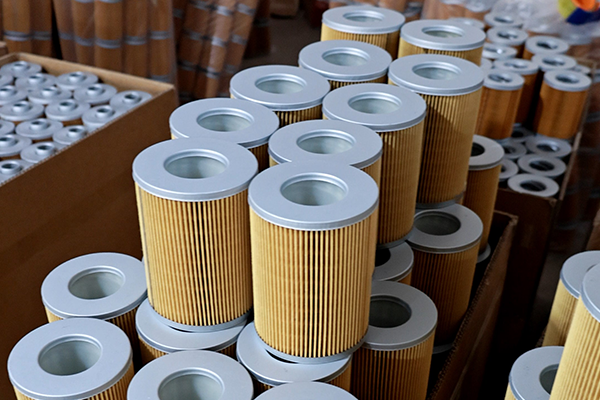
Particle filtration works by forcing fuel through a porous medium that captures particles larger than the filter's rated pore size. The filtration media consists of materials with precisely controlled pore dimensions, typically pleated to provide maximum surface area within a compact housing. As particles accumulate on the media surface and within its structure, the filter gradually restricts flow until replacement becomes necessary.
Modern filter media employs graded-density construction, with larger pores on the fuel inlet side that capture larger particles, gradually transitioning to finer pores that capture smaller contaminants. This progressive filtration allows higher dirt-loading capacity while maintaining acceptable flow rates throughout the filter's service life.
Filtration Media Materials
Fuel filter manufacturers utilize several different media materials, each offering distinct advantages. Cellulose-based media, derived from plant fibers, provides cost-effective filtration for standard applications. These filters work well for conventional fuel systems but may not meet the demands of modern high-pressure injection systems.
Synthetic filter media, typically made from materials like polyester or nylon fibers, offer superior filtration efficiency and dirt-holding capacity compared to cellulose. These media can be engineered to precise specifications, allowing manufacturers to optimize filtration characteristics for specific applications. Synthetic media also performs better in challenging conditions, including temperature extremes and fuel variations.
Glass microfiber media represents the premium option, providing the finest filtration available for mobile and industrial applications. These filters can capture particles as small as a few microns, protecting sensitive fuel system components from even microscopic contaminants. The superior performance comes at a higher cost, making glass media filters most popular for high-value equipment where maximum protection justifies the premium.
Water Separation Technology
Water contamination presents unique challenges in fuel systems, as water can cause corrosion, promote biological growth, and lead to fuel system component failure. Unlike solid particles, water may pass through standard filter media, requiring specialized separation technology to remove effectively.
Coalescing filters work by bringing tiny water droplets together into larger masses that can then be separated from the fuel and collected in a reservoir at the bottom of the filter housing. This process works continuously as fuel flows through the filter, providing ongoing protection against water contamination.
Many fuel filters incorporate hydrophobic coatings on the media that repel water, preventing water from passing through the filtration medium. Combined with drainage provisions that allow collected water to be periodically drained, these features provide comprehensive protection against water-related fuel system problems.
Advanced Filter Designs
Modern fuel filters often incorporate multiple functions beyond simple particle filtration. Combination filters may include fuel heater elements that prevent wax formation in cold weather, water separation sections, and pressure relief capabilities all within a single housing. This integration simplifies maintenance and ensures all fuel system protection functions work together optimally.
Some advanced designs feature removable filter elements that allow reuse of the filter housing, reducing waste and long-term costs. These modular designs typically offer comparable filtration performance to traditional throwaway filters while providing environmental and economic benefits.
Smart filter technology represents the cutting edge of filtration innovation. These systems incorporate sensors that monitor filter condition and alert operators when replacement is needed, eliminating the guesswork from maintenance scheduling and preventing both premature replacement and dangerous overdue service.
Meeting Modern Engine Requirements
High-pressure common rail diesel injection systems require exceptionally clean fuel to function properly. Modern injectors feature extremely small orifices and precise tolerances that can be damaged by contaminants that would have been harmless in older engine designs. This sensitivity drives demand for finer filtration than previous generations of engines required.
Emission control systems also depend on fuel quality, as fuel system contaminants can damage components like diesel particulate filters and exhaust gas recirculation systems. Protecting these expensive emission control devices through effective fuel filtration provides environmental benefits while avoiding costly repairs.
Quality fuel filters from established manufacturers provide the performance required by modern engines. Working with an experienced fuel filter supplier helps ensure you select products matched to your specific application requirements and operating conditions.
Filter Selection Considerations
Choosing the appropriate fuel filter requires balancing several factors, including filtration efficiency, flow capacity, service life, and cost. Applications with high dirt exposure may benefit from filters with higher dirt-holding capacity, while those with clean fuel sources can prioritize other characteristics.
Climate conditions affect filter selection significantly. Cold climates may require heated filters or those optimized for cold weather operation, while hot environments may demand filters with enhanced thermal stability. Some filters are specifically designed for particular fuel types, including biodiesel blends that can degrade standard filter materials.
Consulting with technical experts at your fuel filter manufacturer or supplier helps identify optimal products for your specific needs. These professionals can recommend filters based on your application details and operating conditions, ensuring you get the right balance of performance and value.
Future Filtration Trends
Fuel filtration technology continues advancing as engine designs evolve and new challenges emerge. Electric vehicles may reduce demand for traditional fuel filters, but diesel and gasoline engines will remain important for commercial transport, heavy equipment, and industrial applications for decades to come.
Emerging fuel types, including various biofuel blends and synthetic fuels, require filter materials that can handle their unique characteristics. Manufacturers invest in research and development to create filters optimized for these new fuel formulations while maintaining protection for traditional petroleum-based fuels.
Sustainability drives innovation in filter design, with manufacturers exploring recyclable materials, reduced manufacturing waste, and longer service lives that decrease environmental impact. These efforts balance environmental responsibility with the fundamental goal of protecting engines from harmful contaminants.
Conclusion
Understanding fuel filtration technology helps you make better maintenance decisions and select appropriate filters for your applications. Modern filtration technology provides exceptional protection for sophisticated fuel systems, but selecting the right products and maintaining them properly remains essential for optimal performance.
Partner with a knowledgeable fuel filter manufacturer or supplier who stays current with technological developments and can guide you toward the best solutions for your needs. Quality filtration investment protects your equipment and ensures reliable operation.
References
Society of Automotive Engineers. (2024). Fuel System Component Design Standards.
Diesel Technology Forum. (2023). Advances in Diesel Fuel Filtration.
International Filter Manufacturers Association. (2024). Filtration Technology Guidelines.
Engine Technology International. (2024). Next-Generation Fuel Systems.
 Recommended Products



 Contact us
—— Contact:Mr. Gao
—— Tel:+86 19565234361
—— Email:gaomark706@gmail.com
—— Url:https://www.jzl-filter.com
—— Address:Hejian City, Cangzhou City, Hebei Province