
NewsDetails
Fuel Filter Guide for Diesel Engines - Complete Overview
author:Chengrui time:2026-06-03 21:43:12 Click:103
Fuel Filter Guide for Diesel Engines - Complete Overview
Diesel engines have long been recognized for their durability and fuel efficiency, powering everything from pickup trucks to commercial vessels and heavy-duty equipment across industries worldwide. At the heart of every reliable diesel fuel system lies a component that often goes unnoticed until problems arise: the fuel filter. Understanding how fuel filters work and why they matter can mean the difference between an engine that runs smoothly for hundreds of thousands of miles and one that suffers premature wear or costly breakdowns.
Modern diesel engines operate under extremely high fuel pressures, sometimes exceeding 30,000 PSI in common rail systems. This demanding environment requires fuel that is exceptionally clean and free from contaminants that could damage precision injector components. A quality fuel filter serves as the first line of defense, protecting your investment and ensuring optimal performance day after day.
How Diesel Fuel Filters Work
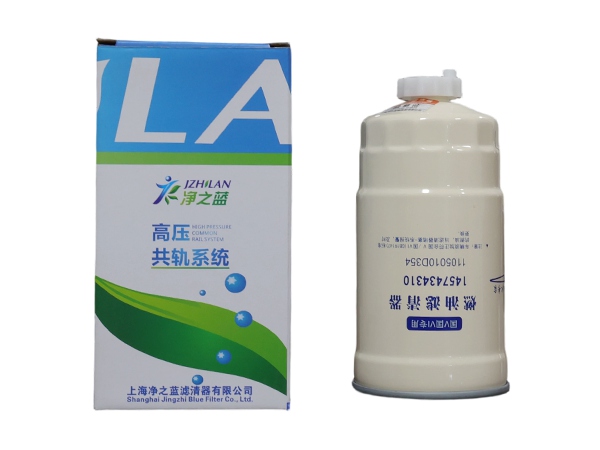
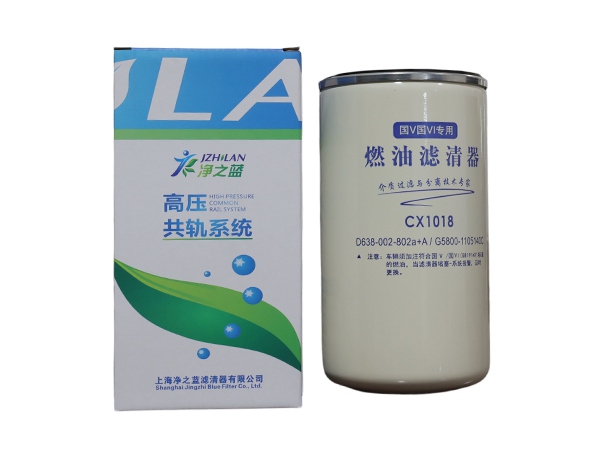
The primary function of a fuel filter in a diesel system is deceptively simple yet critically important. As fuel flows from the tank toward the engine's injection system, it passes through the filter medium where contaminants are captured. These contaminants include rust particles from aging fuel lines, sediment from fuel tanks, microbial growth, and wear debris from fuel pump components.
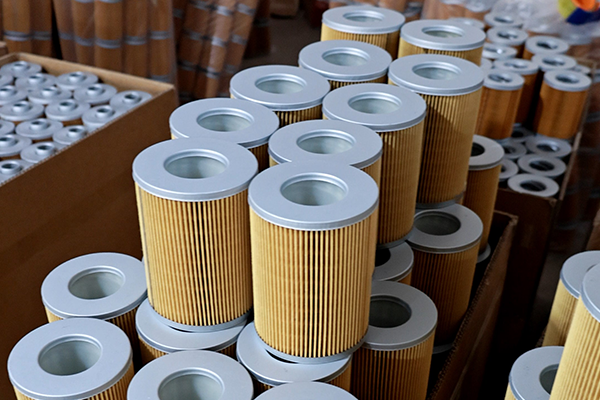
A quality diesel fuel filter uses graded-density media that traps progressively smaller particles as fuel moves through the filter layers. This design allows for higher dirt-holding capacity without sacrificing flow rates. The filter media typically consists of pleated paper, synthetic fibers, or glass microfiber materials, each offering different levels of filtration efficiency.
Many premium filters from established fuel filter manufacturers incorporate multiple filtration stages. The first stage captures larger particles while subsequent stages handle progressively smaller contaminants. This layered approach maximizes dirt-holding capacity while maintaining adequate fuel flow to meet the engine's demands under all operating conditions.
Understanding Micron Ratings
Micron ratings indicate the smallest particle size a filter can effectively capture. For diesel fuel systems, filters typically range from 2 to 30 microns. Standard diesel fuel filters offer somewhere between 10 and 20 microns, while high-performance or fuel injector-protected filters can go as low as 2-5 microns. A micron is one-thousandth of a millimeter, giving you an idea of just how small these particles are.
The choice of micron rating depends on your application and engine type. Older diesel engines with conventional injection systems may function adequately with 10-micron filters. Modern high-pressure common rail systems require cleaner fuel and benefit from finer filtration to protect sensitive injector components. Using a filter with insufficient filtration capacity in modern engines can lead to accelerated injector wear and decreased performance.
It is worth noting that finer filtration sometimes comes at the cost of reduced flow rates or shorter service intervals. Balancing filtration efficiency with practical considerations is key to selecting the optimal filter for your specific application and operating conditions.
Signs Your Fuel Filter Needs Attention
Recognizing the warning signs of a failing or clogged fuel filter can prevent more serious engine problems. Common symptoms include difficulty starting, especially in cold weather, loss of power under load, and unusual engine stuttering during acceleration. A partially restricted fuel filter causes fuel starvation that manifests as these performance issues.
Drivers may also notice increased fuel consumption as the engine compensates for restricted fuel flow by adjusting other parameters. In some cases, the check engine light may illuminate, though this typically indicates the problem has progressed significantly. Listening to the engine can sometimes reveal a whining sound from the fuel pump struggling to draw fuel through a clogged filter.
In extreme cases, a completely clogged filter will prevent the engine from starting altogether. Regular inspection and timely replacement according to manufacturer recommendations or more frequent intervals in harsh operating conditions can prevent these situations from occurring.
Choosing the Right Fuel Filter
Selecting the appropriate fuel filter involves considering several factors beyond just physical dimensions and price. The filter must match your engine's fuel system requirements, including pressure ratings and flow capacity specifications. Installation orientation, whether horizontal or vertical, affects how accumulated water drains from the filter assembly.
Vehicle manufacturers specify particular filter types based on extensive testing of their fuel systems. While aftermarket alternatives may appear similar, differences in filtration media quality, construction materials, and quality control processes can significantly impact performance and longevity. Working with a knowledgeable fuel filter supplier ensures you get a product meeting your specific requirements.
A reputable fuel filter manufacturer provides filters tested to meet or exceed original equipment specifications, giving peace of mind that your engine receives proper protection. Many also offer warranty coverage backed by their reputation in the industry. The added cost of quality filters from established suppliers often proves economical compared to the expense of repairing fuel system damage caused by inferior products.
Installation Best Practices
Proper installation technique matters as much as the filter itself. Always prime the new filter with clean fuel before installation to prevent initial dry running that can cause damage before the engine even runs. Hand-tightening alone typically provides adequate sealing, though consultation with the filter manufacturer's guidelines is advisable for specific torque specifications.
Before installing the new filter, inspect the mounting surface and clean any debris or old filter material that might interfere with proper sealing. Replace the sealing ring if it shows any signs of damage or wear. Some filters include new seals with the filter element, making this step straightforward.
After installation, run the engine and carefully check for fuel leaks around the filter housing. Any visible leakage indicates improper seating or damaged hardware requiring immediate attention. Documenting replacement dates and mileages helps establish maintenance schedules for future service and provides valuable records for resale purposes.
Maintenance Schedule Considerations
Replacement intervals vary widely based on operating conditions, fuel quality, and engine type. Highway driving with clean fuel may allow extended filter life compared to stop-and-go urban driving or operation in dusty environments characteristic of construction sites or agricultural applications. Applications using biodiesel or varying fuel quality may require more frequent changes due to increased contaminant loads.
Conservative maintenance approaches err on the side of caution, replacing filters at shorter intervals to ensure continuous engine protection. This practice costs less in the long run than addressing damage from contaminated fuel reaching sensitive injection components. Many operators find that following a preventive maintenance schedule reduces unexpected downtime and extends the useful life of expensive fuel system components.
Keeping spare filters on hand for vehicles operating in remote locations or demanding conditions makes sense. Having replacement filters readily available prevents the temptation to continue operating with a clogged filter while waiting for parts, which inevitably leads to more serious problems.
Conclusion
Fuel filters represent a small investment with massive returns in engine longevity and performance. Understanding your system's requirements and choosing quality filters from established manufacturers ensures your diesel engine continues delivering reliable service year after year. Regular attention to this essential component pays dividends in avoided repairs and consistent performance.
Whether you operate a single pickup truck or manage a fleet of heavy equipment, prioritizing fuel filtration protects your investment and keeps your engines running their best. Partner with a trusted fuel filter factory or supplier who understands your specific needs and can recommend appropriate products for your applications.
References
Automotive Engineers. (2024). Diesel Fuel System Design Guidelines. SAE International.
Fleet Maintenance Magazine. (2023). Fuel Filtration Best Practices for Commercial Vehicles.
Diesel Progress. (2024). Understanding Fuel Filter Technology Advances.
International Council on Clean Transportation. (2023). Diesel Emission Standards and Fuel Quality Requirements.
 Recommended Products



 Contact us
—— Contact:Mr. Gao
—— Tel:+86 19565234361
—— Email:gaomark706@gmail.com
—— Url:https://www.jzl-filter.com
—— Address:Hejian City, Cangzhou City, Hebei Province