
NewsDetails
Engine Protection Through Proper Filtration
author:Chengrui time:2026-05-31 20:50:54 Click:67
Engine Protection Through Proper Filtration
Your vehicle's engine represents a substantial investment that requires proper care to deliver long, reliable service. Among the most important maintenance tasks for engine longevity is ensuring effective filtration of both fuel and oil. These seemingly simple components play critical roles in protecting internal engine components from damaging contaminants that cause wear and eventual failure.
Modern engines operate under demanding conditions that generate significant contamination within the lubrication and fuel systems. Without effective filtration, particles and byproducts would circulate through the engine, rapidly degrading performance and leading to costly repairs or premature engine replacement. Understanding how filtration protects your engine motivates attention to this essential maintenance.
Understanding Engine Contaminants
Multiple sources contribute contaminants to engine oil and fuel systems. Combustion byproducts, including carbon deposits and partially burned fuel, enter the oil system through piston ring bypass and valve guide migration. Metal particles from normal component wear add to the contamination load as the engine operates.
Dust and debris enter through the air intake system, eventually making their way past piston rings into the oil system. Even the oil itself degrades over time, forming sludge and varnish that compromise lubrication effectiveness. Each of these contaminants causes specific types of damage if not removed by the filtration system.
Fuel systems face contamination from fuel storage and transport, including rust from tanks and lines, sediment from fuel quality variations, and microbial growth in static fuel. These contaminants can damage precision fuel injection components that require exceptionally clean fuel to function properly.
How Oil Filters Protect Engines
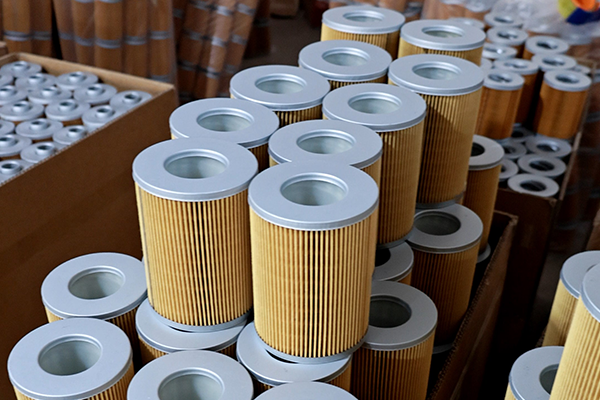
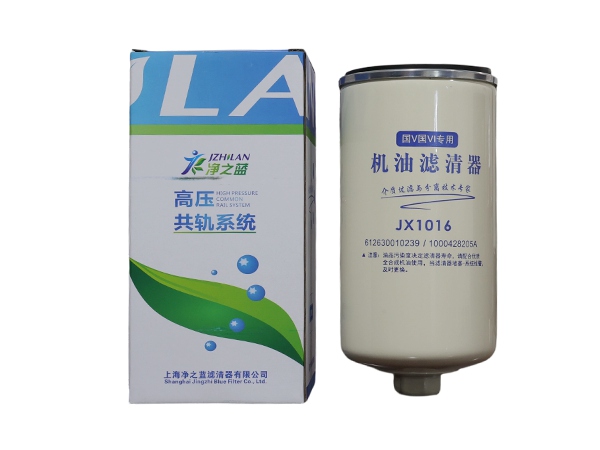
Oil filters remove contaminants from engine oil before the oil circulates to critical bearing and moving surfaces. Without filtration, these particles would cause abrasive wear on bearing surfaces, cylinder walls, and other precision components. Even microscopic particles can cause significant damage over time as they accumulate and circulate repeatedly.
Modern oil filters capture particles as small as a few microns, providing effective protection for precision engine components. The pleated filter media provides substantial surface area that maintains adequate flow while capturing contaminants. As the filter accumulates debris, its dirt-holding capacity gradually fills until replacement becomes necessary.
Quality oil filters also help control oil degradation by removing contaminants that catalyze oil breakdown. This function helps oil maintain its lubricating properties longer, extending effective service life beyond what would occur with inadequate filtration.
Fuel Filter Engine Protection
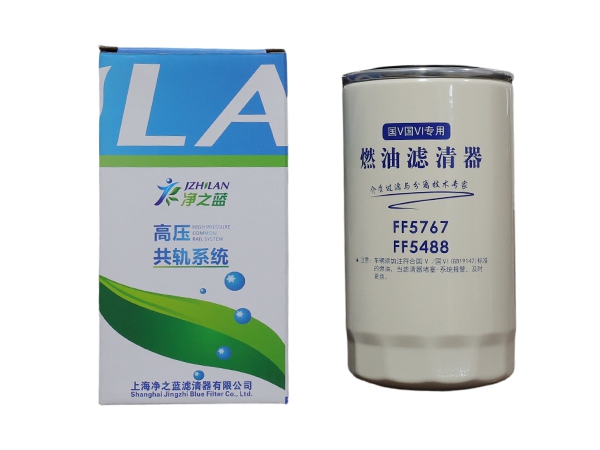
Fuel filters protect fuel injection system components from contamination that would cause accelerated wear or complete failure. Modern high-pressure fuel injectors feature extremely small passages and precise tolerances that can be damaged by contaminants only microns in size. Without effective filtration, these expensive components would fail prematurely.
Diesel fuel injection systems are particularly sensitive to fuel quality. The high pressures involved in diesel injection amplify the effects of contamination, making effective filtration essential for reliable operation. Even small amounts of contamination can cause injector sticking, spray pattern distortion, or complete blockage.
Fuel filters also provide water separation that protects fuel system components from corrosion and other water-related damage. Removing water from fuel prevents the corrosion that would otherwise occur in storage and injection system components.
The Cost of Inadequate Filtration
Inadequate filtration causes progressive damage that eventually manifests as reduced performance and expensive repairs. Bearing surfaces subjected to contamination wear more rapidly, reducing clearances and eventually leading to bearing failure. Cylinder wall wear causes oil consumption and power loss that worsen over time.
Fuel system contamination damages injectors that can cost hundreds of dollars each to replace. Multiple injectors in modern engines can create substantial repair bills when contamination causes widespread damage. In severe cases, fuel pump damage may also occur, adding to repair costs.
The cost of quality filters is trivial compared to engine repair expenses. Regular filter replacement represents one of the best investments in engine longevity available to vehicle owners. The small expense of timely filter changes prevents much larger costs down the road.
Filtration and Engine Life
Engines with consistent, quality filtration typically outlast those receiving inadequate maintenance by substantial margins. The incremental damage from contamination accumulates over time, and engines with good filtration maintain their original specifications far longer than those running with compromised filtration.
High-mileage engines often show remarkably little wear when their maintenance records show consistent filter replacement. Conversely, engines with documented filter neglect typically display the accumulated effects of contamination in wear patterns and performance degradation.
Vehicle history records that demonstrate consistent maintenance, including filter replacement, contribute to resale value. Prospective buyers recognize that vehicles with documented maintenance histories are likely to have remaining useful life compared to those with unknown or neglected maintenance.
Selecting Quality Filters
Quality filters from established manufacturers provide the protection your engine requires. Look for filters meeting or exceeding original equipment manufacturer specifications, indicating they have been validated for use in your engine application.
Working with knowledgeable suppliers helps ensure you receive genuine quality products. Reputable fuel filter suppliers and oil filter suppliers stock products from established manufacturers and can provide guidance on appropriate selections for your specific application.
Quality filter manufacturers provide technical specifications, testing data, and warranty coverage that demonstrates confidence in their products. This support provides recourse if products fail to meet expectations and peace of mind that your engine receives proper protection.
Maintenance Interval Optimization
Proper filter maintenance requires replacement at appropriate intervals that balance protection with practical considerations. Manufacturer recommendations provide baseline intervals, but actual conditions may warrant adjustment based on your specific operating circumstances.
Severe service conditions accelerate filter loading and may require more frequent replacement than standard recommendations indicate. Dusty environments, frequent short trips, towing, and temperature extremes all challenge filtration systems and may necessitate shortened service intervals.
Modern engines with oil life monitoring systems can optimize oil change intervals based on actual operating conditions. These systems account for factors like temperature extremes and short-trip operation that accelerate oil degradation, providing more precise maintenance guidance than fixed schedules.
Complete Filtration Systems
Engine protection requires attention to all filtration points in the system, not just oil and fuel filters. Air intake filtration prevents contaminants from entering the engine in the first place, substantially reducing the load on oil filtration systems.
Cabin air filters maintain air quality for vehicle occupants and prevent debris from entering HVAC systems. While not directly related to engine protection, these filters contribute to overall vehicle maintenance and should not be overlooked.
Transmission fluid filtration, particularly in vehicles with automatic transmissions, protects complex hydraulic systems from contamination damage. Transmission repairs often cost more than engine repairs, making transmission filter maintenance similarly important.
Professional Maintenance Benefits
Professional maintenance services provide expertise that ensures proper filter selection and installation. Trained technicians understand the nuances of different filter applications and can identify issues that might escape notice by less experienced individuals.
Professional service also provides documentation of maintenance that supports vehicle value and warranty compliance. Service records demonstrating consistent maintenance protect against claims of neglect if problems develop.
Establishing relationships with trusted service providers simplifies maintenance decisions and ensures your vehicle receives appropriate attention. These relationships often result in personalized recommendations based on knowledge of your specific vehicle and driving patterns.
Conclusion
Proper filtration protects your engine investment by preventing contamination damage that reduces performance and leads to expensive repairs. Quality filters from established manufacturers, replaced at appropriate intervals, provide the protection your engine needs for long, reliable service.
Working with professional filter suppliers and service providers ensures you receive appropriate products and proper installation. The small investment in quality filtration pays dividends through extended engine life and reduced repair costs.
References
Automotive Engineers. (2024). Engine Lubrication and Filtration Standards.
SAE International. (2024). Filtration Technology for Automotive Applications.
Engine Builder Magazine. (2023). Extending Engine Life Through Maintenance.
Professional Motorist. (2024). Complete Guide to Engine Protection.
 Recommended Products



 Contact us
—— Contact:Mr. Gao
—— Tel:+86 19565234361
—— Email:gaomark706@gmail.com
—— Url:https://www.jzl-filter.com
—— Address:Hejian City, Cangzhou City, Hebei Province